

In this story
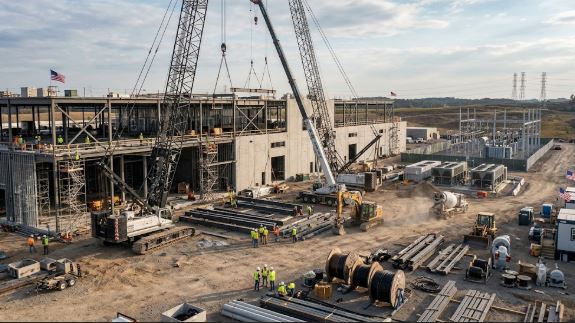
The rapid expansion of artificial intelligence (AI), cloud computing and digital services is reshaping the US commercial infrastructure market, creating significant opportunities for construction companies and engineering businesses. As organisations invest in larger computing capabilities, demand for modern data centres is increasing, driving new requirements for commercial buildings, electrical infrastructure, cooling systems and specialised engineering services.
This expansion is changing the nature of construction activity across the United States. Data centres are no longer simply large industrial facilities. They require sophisticated infrastructure capable of supporting high-performance computing, continuous operations and substantial electricity consumption. As a result, construction companies are finding new business opportunities in areas ranging from civil engineering and structural development to electrical installations, mechanical systems and infrastructure maintenance.
The financial scale of this development is becoming increasingly visible. Data centre construction spending in the US reached an annualised rate of $59.3 billion in May 2026, representing a 23% increase compared with the previous year. The growing investment pipeline is also encouraging contractors, equipment manufacturers and specialist service providers to strengthen their capabilities to participate in this expanding market.
For the wider construction industry, the data centre boom represents more than another category of commercial development. It is creating a new source of long-term demand, encouraging businesses to invest in specialised expertise, advanced construction methods and stronger supply chain networks.
Data Centre Expansion Is Reshaping Commercial Construction Demand
The growing dependence on digital infrastructure is changing construction priorities across the American economy. Businesses increasingly require reliable computing capacity to support cloud platforms, AI applications, online transactions and enterprise technology systems.
This demand is encouraging technology companies, cloud service providers and infrastructure developers to invest in new data centre campuses and expand existing facilities.
For construction companies, these projects offer opportunities across several stages of development. Before construction begins, developers require land preparation, site assessments, civil engineering, architectural planning and infrastructure design. During the building phase, demand extends to structural construction, electrical installations, mechanical systems and specialised cooling infrastructure.
The requirements also continue after a facility becomes operational. Data centres need regular maintenance, equipment upgrades, electrical inspections and infrastructure improvements to maintain performance and reliability.
This creates opportunities not only for large national construction companies but also for regional contractors and specialist businesses capable of supplying particular services.
Specialised Construction Services Are Creating New Revenue Opportunities
Unlike conventional commercial buildings, data centres require highly integrated infrastructure. Their operations depend on reliable electricity, advanced cooling technology, backup systems and carefully designed building environments.
This complexity is increasing demand for construction businesses with specialised technical capabilities.
Electrical contractors and power infrastructure providers: Electrical infrastructure is one of the most important components of a data centre project. High-capacity power distribution systems, substations, backup generators, transformers and electrical control equipment are essential for maintaining uninterrupted operations. This creates opportunities for electrical contractors and engineering companies with experience in large-scale installations.
Mechanical and cooling system specialists: Modern computing facilities generate considerable heat, particularly when supporting AI workloads. Construction companies specialising in heating, ventilation and air conditioning (HVAC), liquid cooling and advanced thermal management can benefit from growing investment in high-density computing infrastructure.
Civil engineering and structural contractors: Large data centre campuses require substantial site preparation, foundations, drainage systems, access roads and structural development. Civil engineering firms and construction contractors can participate in these projects from the earliest development stages.
Building materials and equipment suppliers: The expansion is also increasing demand for construction materials, electrical components, steel structures, specialised equipment and industrial building systems. Suppliers capable of maintaining reliable delivery schedules can establish valuable relationships with developers and major contractors.
For small and medium-sized construction businesses, these specialised requirements provide an opportunity to enter a higher-value segment of commercial infrastructure without necessarily competing for entire projects.
Regional Expansion Is Creating New Construction Markets
Data centre investment is spreading across several parts of the United States, with developers increasingly evaluating locations based on electricity availability, land costs, connectivity, infrastructure capacity and local regulatory conditions.
Northern Virginia continues to hold an important position in the American data centre industry because of its established digital infrastructure ecosystem. However, growing demand is encouraging development in other regions, creating opportunities for contractors outside traditional construction centres.
Atlanta has emerged as a particularly important growth market. During the first half of 2026, data centre capacity under construction in the city reached approximately 2,882 megawatts, making it North America’s most active construction market by this measure.
Northern Virginia remained the largest market by existing inventory, with approximately 4,496.5 megawatts of capacity. Dallas-Fort Worth and Phoenix are also attracting investment as developers look for additional locations to accommodate expanding digital infrastructure requirements.
This geographical expansion has important implications for construction companies. Regional contractors can benefit from new project requirements, while established engineering businesses can explore opportunities through partnerships with national developers and infrastructure operators.
The movement of projects into emerging markets is also increasing demand for local transportation, material supply, equipment rental and supporting construction services.
Skilled Contractors and Engineering Expertise Gain Importance
The technical requirements of modern data centres are increasing the importance of specialised construction skills. Projects involving high-capacity electrical systems, advanced cooling technologies and complex infrastructure require experienced engineers, technicians and skilled tradespeople.
However, the availability of qualified workers remains a challenge for the broader US construction industry. As data centre investment increases, companies must compete for electricians, mechanical engineers, HVAC technicians, project managers and other experienced professionals.
For construction businesses, workforce development is becoming an important competitive factor. Companies that invest in employee training, technical certifications and safety programmes can strengthen their ability to secure specialised contracts.
There is also an opportunity for smaller contractors to develop expertise in specific areas rather than attempting to provide every construction service. Businesses with strong capabilities in electrical installations, cooling systems, structural work or infrastructure maintenance can position themselves as specialist partners for larger projects.
Building a reliable skilled workforce can therefore become an important source of long-term business growth.
Power Availability and Project Delays Create Business Challenges
Although data centre development is generating considerable demand, construction companies must navigate several operational challenges.
Power availability is among the most significant concerns. Data centres require substantial electricity, and securing adequate grid connections can take considerable time. Delays involving substations, transmission infrastructure and transformers can affect construction schedules and postpone project completion.
For contractors, these uncertainties can complicate workforce planning, equipment procurement and project budgeting. Construction companies must coordinate closely with developers, utility providers and engineering teams to reduce the risk of delays.
Equipment availability is another concern. Specialised electrical components, cooling equipment and other critical systems may involve long procurement timelines. Companies that establish dependable supplier relationships and plan purchases early can improve project delivery.
Rising material prices, labour costs and financing expenses can also affect profitability. Contractors need realistic cost estimates, appropriate contingency provisions and clear contractual arrangements to protect project margins.
Consequently, success in the data centre construction market will depend not only on securing contracts but also on managing complex projects efficiently.
Permitting and Community Concerns Influence Development Decisions
The rapid growth of data centres is attracting greater attention from local authorities and communities. While these facilities can generate construction employment, supplier demand and tax revenue, their electricity and water requirements are creating concerns in some locations.
Residents and local organisations are increasingly examining the potential impact of large developments on electricity costs, water resources, noise levels and surrounding infrastructure.
These concerns can influence zoning approvals, environmental assessments and construction timelines. In some cases, opposition has contributed to project delays, changes in development plans or cancellations.
For construction companies, this means project preparation must extend beyond technical design and building requirements. Contractors and developers need to understand local approval processes, environmental expectations and community priorities before committing substantial resources.
Greater attention to energy efficiency, water management and responsible site planning can help reduce potential conflicts and support smoother project execution.
Opportunities Extend Beyond Large Construction Companies
The data centre boom is not benefiting only major infrastructure developers and national construction groups. It is also creating business opportunities for smaller enterprises operating across the construction supply chain.
Local contractors can provide site preparation, electrical work, plumbing, equipment installation and maintenance services. Engineering consultancies can support design, project management and technical assessments, while equipment suppliers can serve the growing demand for specialised components.
Businesses involved in transportation, logistics, industrial safety and equipment rental may also benefit from increased construction activity.
For SMEs, entering this market may require investment in technical expertise, safety standards, insurance coverage and established supplier relationships. However, subcontracting arrangements and partnerships with larger construction companies can provide a practical entry point.
Developing a reputation for quality, timely delivery and specialised knowledge can help smaller firms secure repeat business as data centre infrastructure expands.
The Future of the US Commercial Infrastructure Market
Data centre development is becoming an increasingly important driver of commercial construction activity in the United States. Continued investment in AI, cloud computing and digital services is creating demand for specialised facilities, advanced engineering systems and supporting infrastructure.
For construction companies, this transition is opening new revenue opportunities across civil engineering, electrical contracting, mechanical installations, building materials and infrastructure maintenance.
However, the market also demands greater technical expertise, careful project planning and the ability to manage power constraints, labour shortages and regulatory requirements. Businesses that invest in specialised capabilities and reliable supply chains will be better positioned to participate in this expanding sector.
As the American digital economy continues to grow, data centre construction is likely to remain an important area of opportunity for the wider infrastructure industry. Companies that recognise this shift and adapt their operations accordingly can strengthen their market position, develop new business relationships and build sustainable revenue streams in the evolving commercial construction landscape.