
In this story
India’s logistics industry is undergoing a major transformation as technology becomes an essential part of moving goods across the country. The rapid growth of e-commerce, online shopping, manufacturing, and direct-to-consumer (D2C) businesses has increased the demand for faster, more reliable, and transparent delivery services. Consumers today expect more than simply receiving their orders. They want real-time tracking, accurate delivery estimates, convenient payment options, and quick resolution of delivery-related issues.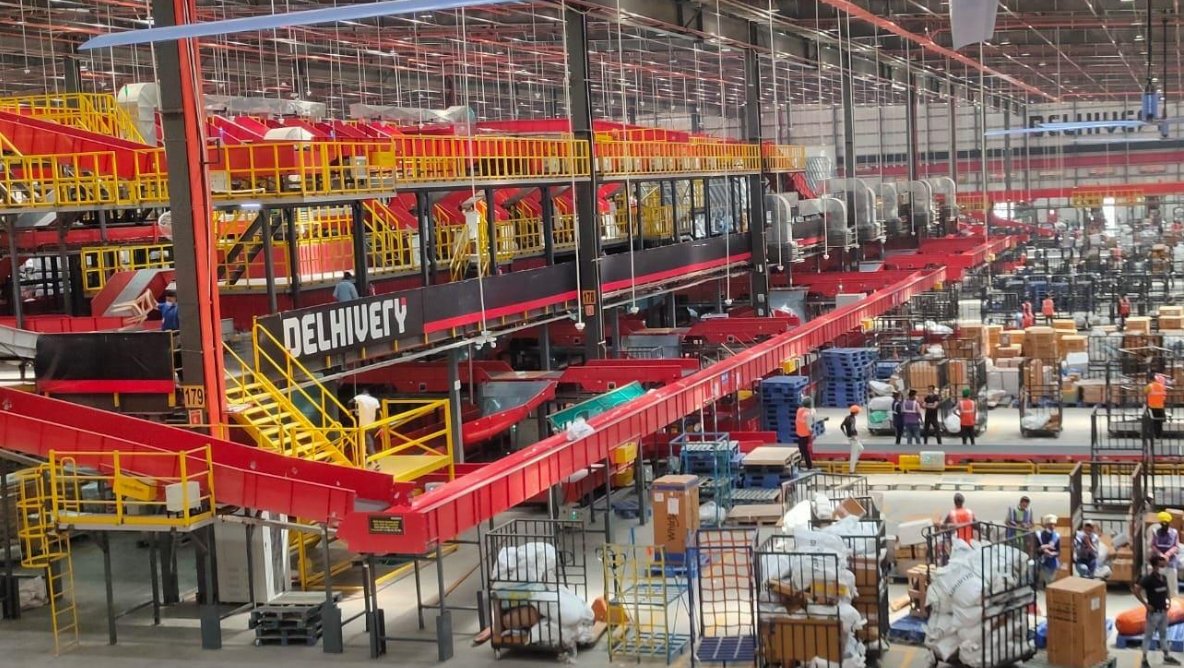
To meet these expectations, logistics companies are increasingly investing in advanced technologies such as artificial intelligence (AI), machine learning, the Internet of Things (IoT), cloud computing, automation, and data analytics. These technologies are changing how goods are stored, transported, tracked, and delivered.
India’s logistics technology market is therefore emerging as an important part of the country’s digital economy. From automated warehouses to intelligent route-planning systems, technology is helping businesses improve operational efficiency, reduce costs, and build greater trust with customers.
The Growing Demand for Logistics Technology in India
India has one of the world’s largest and fastest-evolving consumer markets. The expansion of e-commerce platforms, online grocery services, electronics retailers, and small digital businesses has significantly increased the volume of shipments moving across the country.
Customers increasingly expect same-day, next-day, and even faster deliveries. Meeting these expectations requires logistics companies to manage large shipment volumes while maintaining accuracy, affordability, and reliability.
Traditional logistics operations often depended on manual documentation, telephone-based coordination, and limited shipment visibility. These methods can create delays, communication gaps, and inefficient resource utilisation.
Technology is helping address these challenges by connecting different stages of the supply chain through integrated digital platforms.
According to an industry estimate published in TCI’s FY 2025–26 annual report, India’s digital logistics market is projected to reach approximately USD 2.26 billion in 2026. This reflects the growing importance of digital infrastructure, automation, and technology-driven supply chain management.
The increasing adoption of logistics technology is also creating opportunities for startups, technology providers, third-party logistics companies, and established delivery networks.
Key Technologies Transforming India’s Logistics Industry
Several technologies are playing a major role in improving the speed, accuracy, and transparency of logistics operations.
1. Artificial Intelligence and Machine Learning
Artificial intelligence is helping logistics companies make smarter operational decisions. AI-powered systems analyse historical delivery information, traffic conditions, weather patterns, customer demand, and transportation capacity to improve delivery planning.
Machine learning algorithms can also predict potential delays, identify inefficient routes, and estimate shipment arrival times more accurately.
For example, delivery companies can use AI-based route optimisation to determine the most efficient sequence of deliveries. This reduces unnecessary travel, fuel consumption, and delivery costs while improving customer satisfaction.
2. Real-Time Shipment Tracking
Real-time tracking has become one of the most important expectations among modern consumers.
GPS-enabled devices, barcode scanning, RFID technology, and cloud-based tracking platforms allow logistics companies to monitor shipments throughout their journey.
Customers can receive updates when an order is dispatched, reaches a sorting centre, moves between transportation hubs, or goes out for delivery.
This visibility reduces uncertainty and helps customers plan their availability around expected delivery times.
3. Internet of Things (IoT)
IoT technology connects vehicles, warehouses, storage facilities, and shipments through smart sensors and connected devices.
These sensors can monitor important information such as vehicle location, temperature, humidity, fuel consumption, and cargo conditions.
This is particularly useful for pharmaceutical products, food items, agricultural goods, and other temperature-sensitive shipments.
By receiving continuous information, logistics companies can identify problems earlier and take corrective action before products are damaged or delayed.
4. Warehouse Automation and Robotics
Modern warehouses are increasingly adopting automated sorting systems, conveyor belts, robotic picking solutions, and intelligent inventory management software.
These technologies help businesses process large shipment volumes with greater speed and accuracy.
Automated warehouses also reduce manual errors, improve inventory visibility, and support faster order fulfilment.
As India’s e-commerce market expands, warehouse automation is expected to become an increasingly important investment for logistics companies.
5. Cloud Computing and Data Analytics
Cloud-based logistics platforms allow businesses to access shipment information, inventory records, delivery reports, and transportation data through a centralised system.
This improves coordination between manufacturers, warehouses, transportation providers, sellers, and customers.
Data analytics also helps businesses identify delivery bottlenecks, measure operational performance, forecast demand, and make better decisions.
Government Initiatives Supporting Digital Logistics
The Indian government is also playing an important role in transforming the country’s logistics ecosystem through infrastructure development and digital integration.
Some major initiatives include:
National Logistics Policy (NLP): Launched in September 2022, the policy aims to improve logistics efficiency, reduce costs, strengthen digital integration, and create a more competitive logistics ecosystem.
Unified Logistics Interface Platform (ULIP): ULIP connects logistics-related government systems through APIs, enabling authorised stakeholders to access relevant information and develop technology-based solutions.
According to the government’s FY 2025–26 reporting, ULIP had connected 45 systems across 11 ministries through 137 APIs by March 2026. It had also facilitated more than 295 crore API transactions, demonstrating the growing scale of digital integration in logistics.
PM GatiShakti National Master Plan: This initiative uses digital mapping and integrated infrastructure planning to improve connectivity between roads, railways, ports, airports, and logistics facilities.
E-Way Bill System: The electronic documentation system has simplified the movement of goods across state borders, improved compliance, and reduced dependence on traditional paperwork.
Together, these initiatives are helping create a more connected, technology-driven logistics environment in India.
The Push for Faster and More Transparent Deliveries
Speed and transparency have become two of the biggest competitive factors in the logistics industry.
Customers no longer want to wait without knowing where their packages are. They expect accurate updates, clear communication, and reliable delivery commitments.
To meet these expectations, logistics companies are focusing on several improvements.
Faster last-mile delivery: Businesses are developing local fulfilment centres, dark stores, and strategically located delivery hubs to bring products closer to customers.
Accurate delivery estimates: AI-based predictive systems help companies provide more reliable delivery windows by analysing traffic, weather, and operational conditions.
Improved customer communication: Automated SMS notifications, mobile applications, WhatsApp updates, and digital customer support systems keep customers informed about their orders.
Digital proof of delivery: Electronic signatures, OTP verification, photographs, and digital delivery records help confirm successful deliveries and reduce disputes.
Efficient reverse logistics: Technology is also improving product returns, exchanges, refunds, and reverse shipment management, which are essential for customer satisfaction in e-commerce.
These developments are helping logistics providers move from traditional shipment handling towards a more customer-focused delivery experience.
The Role of Logistics Startups and Technology Companies
India’s logistics technology ecosystem is attracting increasing attention from startups and established technology companies.
Several businesses are developing digital solutions for transportation management, freight aggregation, warehouse automation, shipment tracking, and last-mile delivery.
Companies such as Delhivery, Shiprocket, BlackBuck, and Porter are examples of businesses contributing to the technology-led development of India’s logistics sector.
Their platforms help businesses access transportation services, manage shipments, compare delivery options, track orders, and coordinate logistics operations.
For small and medium-sized enterprises (SMEs), these digital platforms can be particularly valuable. Businesses that previously lacked access to sophisticated logistics infrastructure can now use technology-enabled services without developing their own transportation networks.
This is helping make logistics services more accessible to smaller businesses and supporting the growth of India’s digital commerce ecosystem.
Challenges Facing the Logistics Technology Market
Despite significant progress, India’s logistics technology market continues to face several challenges.
1. Fragmented logistics infrastructure
India’s logistics ecosystem includes numerous small transport operators, regional service providers, warehouses, and delivery businesses. Integrating these different players into a common digital network remains challenging.
2. High technology adoption costs
Advanced warehouse automation, AI systems, GPS infrastructure, and enterprise software can require significant investment. Smaller logistics companies may struggle to afford these solutions.
3. Data security and privacy
As logistics companies collect increasing amounts of customer, shipment, and business information, protecting sensitive data becomes essential.
4. Infrastructure limitations
Traffic congestion, road conditions, limited warehousing facilities, and uneven infrastructure development can affect delivery performance, particularly in remote and rural areas.
5. Skilled workforce requirements
The adoption of modern logistics technologies requires employees with knowledge of data analytics, automation, digital platforms, fleet management, and supply chain operations.
Addressing these challenges will be essential for building a more efficient and inclusive logistics ecosystem.
The Future of India’s Logistics Industry
The future of India’s logistics industry is expected to be driven by increasing automation, artificial intelligence, digital integration, and sustainable transportation solutions. AI-powered supply chains will help businesses improve demand forecasting, inventory management, and route optimisation, while robotics and automated warehouse systems will enhance operational efficiency and accelerate order processing. Meanwhile, the growing demand for quick commerce, same-day deliveries, and hyperlocal services will encourage logistics companies to strengthen their last-mile delivery networks. Digital freight platforms will also improve transportation coordination and vehicle utilisation, while electric delivery vehicles and energy-efficient warehouses will support more sustainable logistics operations.
Another major development will be the increasing focus on supply chain transparency and real-time visibility. Integrated digital platforms, GPS-enabled tracking, and data-driven monitoring systems will allow businesses and customers to access accurate shipment information at every stage of the delivery process. These innovations will help reduce delivery uncertainties, improve accountability, and strengthen customer trust. Together, these technological advancements will play a crucial role in building a faster, smarter, more efficient, and sustainable logistics ecosystem in India.
Conclusion
India’s logistics technology market is entering an important phase of transformation. Rising e-commerce demand, changing consumer expectations, government-led digital initiatives, and increasing investments in automation are reshaping how goods move across the country.
Technology is no longer simply an additional feature in logistics operations. It has become a fundamental requirement for improving delivery speed, operational efficiency, and customer trust.
From AI-powered route optimisation and real-time shipment tracking to automated warehouses and digital freight platforms, innovation is creating new opportunities for businesses throughout the supply chain.
However, achieving a fully integrated logistics ecosystem will require continued investment in infrastructure, technology adoption, workforce development, and data security.
As India moves towards becoming a stronger global manufacturing and trade hub, a faster, smarter, and more transparent logistics network will play a critical role in supporting economic growth and strengthening the country’s position in the global supply chain.