New Delhi, Aug 17: India’s oil marketing companies (OMCs) are facing a sharp financial squeeze after a surge in international LPG prices widened the gap between procurement costs and domestic selling prices. The pressure comes despite improved refining margins, making LPG under-recoveries a key challenge for the sector.
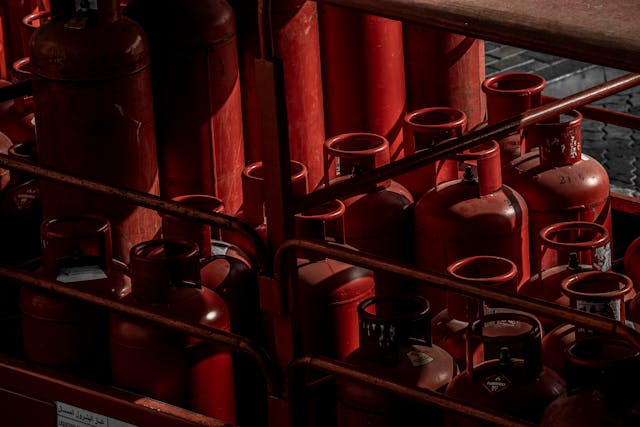
The three major OMCs recorded combined LPG under-recoveries of around Rs 13,700 crore in Q1FY27, even after accounting for compensation of about Rs 7,500 crore. Their cumulative LPG under-recoveries rose to around Rs 61,900 crore by June 30, from Rs 48,200 crore at the end of March.
The main reason was the disruption in global LPG supplies following the West Asia conflict and the closure of the Strait of Hormuz. These disruptions increased international sourcing and freight costs, putting additional pressure on Indian fuel retailers.
The Saudi Contract Price, a key international LPG benchmark, rose sharply from an average of $530 per tonne in FY26 to $785 per tonne in Q1FY27, significantly increasing the cost of imported LPG.
The impact on OMCs reflects a difficult balance in India’s energy market. Domestic LPG is an essential household fuel, so retail prices cannot always move immediately with international markets. When global procurement costs rise faster than domestic prices, OMCs absorb the difference as under-recoveries. This protects consumers from sudden price shocks but puts pressure on the financial performance of fuel companies.
The latest developments also underline India’s exposure to global energy disruptions. Although India has been diversifying its LPG suppliers, international shipping routes and geopolitical developments continue to influence the cost of bringing fuel into the country.
There are signs of some relief, however. Global LPG prices have eased from their earlier highs as supply conditions improve. If this trend continues, lower procurement costs could gradually reduce the burden on OMCs in the coming quarters.
The episode also strengthens the case for diversifying energy sources, expanding alternative supply routes and building more resilient fuel supply chains. Such measures can help India manage future global disruptions while protecting the availability of essential cooking fuel.
For households, affordable and reliable LPG remains the priority. For OMCs, the immediate focus will be on recovering from the sharp cost shock while benefiting from improving international prices and stronger refining margins.
The latest situation is therefore a test of India’s energy resilience: protecting consumers from global price volatility while ensuring that OMCs remain financially strong enough to maintain reliable fuel supplies.