New Delhi, Oct 6: The 57th GST Council meeting, rescheduled to October 8, is expected to focus on a series of proposed changes aimed at making India’s indirect tax system simpler, more transparent and easier for businesses to comply with.
The meeting will be held at 11 am at Bharat Mandapam, New Delhi, according to the GST Council Secretariat. It was originally planned for October 7 but has been moved due to unavoidable circumstances.
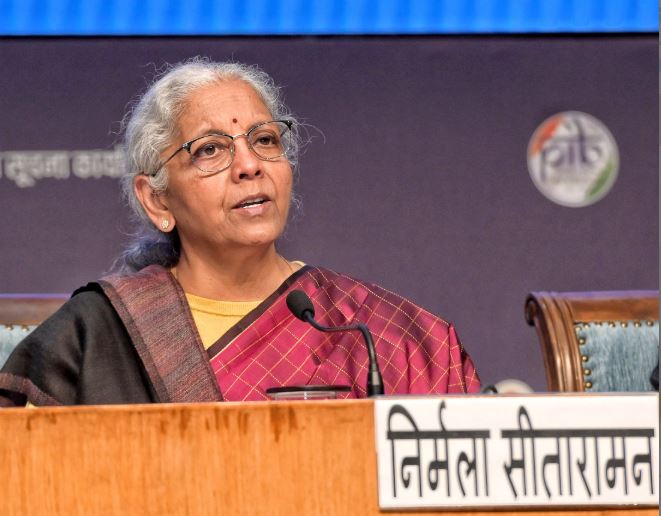
The Council, chaired by Union Finance Minister Nirmala Sitharaman and comprising finance ministers from states and Union Territories, is expected to discuss reforms covering GST registration, returns, refunds, input tax credit and mechanisms for settling tax-related disputes.
Simpler registration for businesses
One of the key proposals expected to come up for discussion is a possible single-window approach to GST registration across multiple states.
At present, businesses expanding into different states have to follow separate registration procedures. A more unified application process could reduce repetitive documentation and make it easier for companies to scale their operations across the country.
The Council may also examine the introduction of a common set of documents that tax officials can request during registration. This could bring greater consistency to the process and provide businesses with clearer expectations.
Focus on refunds and input tax credit
The proposed reforms are also expected to address GST refunds and the movement of input tax credit through the tax system.
For exporters and businesses that regularly accumulate eligible tax credits, timely refunds can have a direct impact on cash flow. Improving these processes could help businesses access their funds more efficiently and reduce delays linked to administrative procedures.
Measures to improve dispute resolution are also expected to be considered, with the broader aim of reducing prolonged tax-related uncertainty for taxpayers.
Possible changes to GST enforcement
The GST 2.0 agenda could also include a review of certain enforcement provisions.
Proposals reportedly under consideration include decriminalising selected GST offences and examining the existing provisions relating to the arrest powers of GST officers. The broader approach is expected to distinguish between deliberate tax evasion and genuine compliance-related issues faced by businesses.
Reforms with a wide business impact
The discussions assume significance as India’s GST network now covers more than 1.68 crore registered businesses, ranging from small enterprises and traders to manufacturers, service providers and e-commerce businesses.
For this large taxpayer base, even procedural improvements can make a meaningful difference by reducing paperwork, saving time and providing greater clarity around tax compliance.
The October 8 meeting is therefore expected to be closely watched by the business community. Any decisions taken by the Council could influence the next phase of GST administration and determine how quickly the tax system moves towards a more streamlined, technology-led and taxpayer-friendly framework.