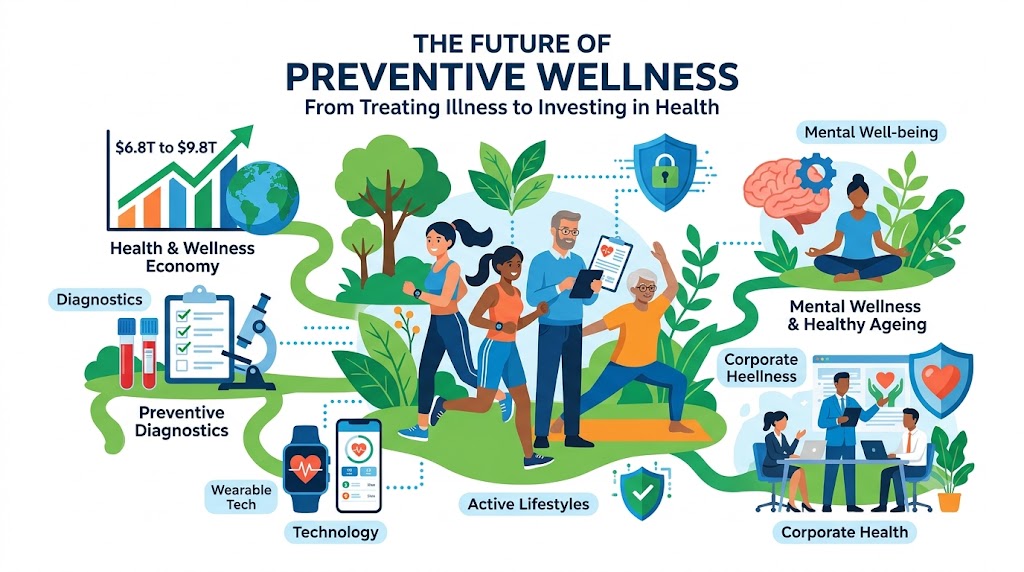
Health and wellness are no longer defined solely by treating illness. Increasingly, consumers are investing in healthier lifestyles, regular health checks, mental well-being and everyday habits that can support long-term health. This shift towards prevention is creating a growing business opportunity, bringing healthcare providers, diagnostic laboratories, wellness brands, technology companies and employers into an expanding market.
The global wellness economy has reached an estimated $6.8 trillion and is projected to grow to $9.8 trillion by 2029. Behind this expansion is a change in consumer behaviour: people are becoming more interested in understanding their health risks earlier and making informed decisions before problems become more difficult to manage.
For businesses, preventive wellness represents more than a growing market for health products and services. It is creating opportunities to develop long-term customer relationships, introduce technology-enabled services and respond to demand for more accessible, personalised health support.
From Treating Illness to Investing in Health
The growing burden of non-communicable diseases, including cardiovascular conditions, diabetes and hypertension, has increased the importance of prevention. In India, these conditions account for a substantial share of deaths, placing greater emphasis on early detection, healthier lifestyles and continued health monitoring.
This is gradually changing how people approach healthcare. Instead of visiting a doctor only when symptoms appear, more consumers are considering routine check-ups, blood tests, nutrition advice and fitness programmes as part of their regular health management.
For diagnostic laboratories and healthcare providers, this creates opportunities to expand preventive screening packages, health assessments and follow-up services. Businesses can also build relationships with customers through regular consultations and personalised guidance rather than relying exclusively on individual appointments.
However, prevention is not simply about conducting more tests. The real value lies in identifying relevant risks, interpreting results correctly and helping people take appropriate action with qualified medical guidance.
Preventive Diagnostics Create New Business Opportunities
Diagnostic testing is becoming an important part of the preventive wellness ecosystem. Tests such as blood glucose measurements, HbA1c, lipid profiles and thyroid assessments can help healthcare professionals evaluate specific health concerns when clinically appropriate.
Diagnostic chains, hospitals and specialised clinics can respond to growing interest by offering convenient booking, digital reports, preventive health packages and access to professional consultations. Corporate health programmes and partnerships with insurers may create additional demand.
Digital platforms can also help consumers manage appointments, access their health records and track changes over time. For providers, these services can improve convenience and encourage continued engagement.
The challenge is to make preventive screening relevant and responsible. Testing needs differ according to age, medical history, family history and individual risk factors. Clear communication and appropriate clinical advice are therefore essential to ensuring that commercial growth supports better health outcomes.
Younger Consumers Are Expanding the Wellness Market
Preventive wellness is attracting interest across generations, although priorities differ.
Younger adults are increasingly engaging with fitness, nutrition, sleep management and mental well-being. Social media, digital health applications and wearable devices have made wellness information more accessible, while encouraging interest in tracking everyday habits.
Millennials often balance health goals with demanding work schedules and family responsibilities. Convenient diagnostic services, nutrition programmes, fitness subscriptions and digital consultations can appeal to consumers seeking practical ways to manage their well-being.
Middle-aged and older adults may have a greater need for risk assessment, chronic-condition monitoring and support for healthy ageing. This creates demand for services that combine clinical care with nutrition, physical activity and ongoing health management.
For businesses, these differences offer an opportunity to develop services for specific customer needs rather than relying on a single wellness offering for everyone.
Wearable Technology Is Changing Health Monitoring
Wearable devices have expanded beyond counting steps. Many now track indicators such as heart rate, sleep patterns and physical activity, while some offer additional measurements that can help users understand changes in their daily routines.
As artificial intelligence becomes more integrated into digital health platforms, these tools may provide more personalised summaries and help users recognise patterns in their activity and recovery. Such services can create opportunities for technology companies, fitness platforms and wellness providers.
Subscription-based applications, digital coaching and connected wellness services can generate recurring revenue while maintaining regular customer engagement.
Nevertheless, consumer wearables are not substitutes for medical diagnosis. Their measurements have limitations, and unusual readings should be interpreted in the appropriate clinical context. Companies that communicate these limits clearly are more likely to earn lasting consumer trust.
Mental Wellness and Healthy Ageing Expand the Opportunity
Preventive wellness extends beyond physical health. Stress management, sleep improvement and emotional well-being are becoming increasingly important to consumers and employers.
Digital counselling platforms, workplace wellness programmes, mindfulness services and professional mental health support are creating new business opportunities. Employers are also recognising that employee well-being can influence engagement, absenteeism and productivity.
Healthy ageing is another area of growing interest. Consumers are seeking ways to maintain mobility, strength, nutrition and independence as they grow older. This is supporting demand for fitness programmes, nutrition services, preventive assessments and wellness-oriented care.
At the same time, wellness real estate is gaining attention as developers explore housing and commercial environments that incorporate access to green spaces, natural light, fitness facilities and other features intended to support healthier living.
These sectors offer opportunities for businesses that can combine credible expertise with services that fit naturally into everyday life.
Corporate Wellness Becomes a Business Priority
Workplace wellness is increasingly being considered as part of broader employee management and healthcare planning. Companies are exploring health screenings, fitness initiatives, mental health support and programmes designed to encourage healthier routines.
For employers, the potential benefits include stronger employee engagement and support for a healthier workforce. Preventive initiatives may also help identify health concerns earlier, although their financial returns depend on programme design, participation and individual circumstances.
Well-designed programmes need to go beyond occasional health camps. Employers can create more meaningful support by offering confidential access to professional guidance, practical health education and activities that employees can sustain over time.
This creates opportunities for wellness consultants, healthcare providers, digital platforms and specialised service companies to develop corporate partnerships.
Building Consumer Trust Will Be Critical
As the preventive wellness market expands, businesses will face growing expectations around quality, affordability and transparency. Consumers need to understand what a service offers, what its limitations are and whether its health claims are supported by reliable evidence.
Personal health information also requires careful handling. Diagnostic providers, wearable platforms and digital wellness companies must protect sensitive data and explain clearly how it is collected and used.
Affordability remains another consideration, particularly in India, where access to specialised services varies widely. Flexible pricing, accessible digital consultations and practical wellness programmes can help businesses reach a broader customer base.
The most sustainable business models will focus on genuine consumer needs rather than exaggerated promises about instant results, disease prevention or longevity.
The Future of Preventive Wellness
Preventive wellness is creating opportunities across diagnostics, digital health, nutrition, mental well-being, fitness, workplace services and healthy ageing. As consumers become more interested in long-term health management, businesses have an opportunity to move beyond one-time transactions and develop services that support people throughout different stages of life.
The market’s long-term success will depend on combining commercial innovation with clinical credibility, responsible data practices and accessible pricing. Technology can make health information easier to track, but meaningful improvements still depend on informed decisions, appropriate professional guidance and sustainable lifestyle changes.
For businesses, the opportunity lies in making prevention practical and trustworthy. Companies that help people understand their health, access relevant services and maintain healthier habits will be better positioned to build lasting customer relationships in the expanding wellness economy.