

In this story
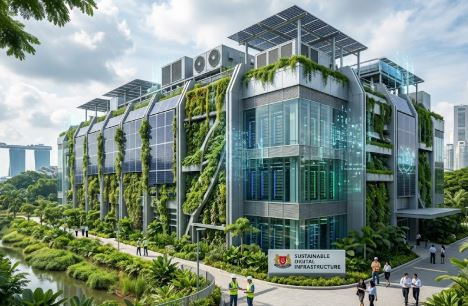
Singapore is strengthening data centre regulations as the rapid expansion of artificial intelligence (AI), cloud computing and digital services increases pressure on the country’s limited resources. Although data centres are essential to the modern digital economy, their growing demand for electricity, land and cooling infrastructure has made sustainable expansion a critical business and policy priority.
The new regulatory approach reflects Singapore’s effort to balance technology-driven growth with energy efficiency, operational security and environmental responsibility. For data centre operators, cloud service providers and investors, the changing rules signal a more demanding business environment in which efficient resource use and reliable infrastructure will become increasingly important.
Why Singapore Is Tightening Data Centre Regulations
Data centres form the backbone of many everyday digital services, including online banking, e-commerce, digital payments, business software and AI applications. As companies increasingly rely on cloud-based systems, demand for computing capacity continues to rise.
However, Singapore faces a practical challenge. Its limited land availability and dependence on carefully managed energy resources make it difficult to expand infrastructure indefinitely. Data centres require substantial electricity to power servers and cooling systems, while some cooling technologies also consume considerable amounts of water.
The growing adoption of AI adds to this pressure because advanced computing workloads can require significantly more processing power than conventional applications. Without effective planning, rapid infrastructure expansion could increase operating costs and place additional demands on national resources.
By tightening regulations, Singapore aims to ensure that future data centre development delivers greater economic value while remaining sustainable and resilient.
Sustainability Takes Centre Stage
Energy efficiency is becoming a central consideration for data centre operators. Electricity represents a significant operating expense, and inefficient cooling or power distribution can increase costs without improving computing performance.
Singapore’s regulatory framework places greater emphasis on measurable energy-efficiency standards. One important measure is Power Usage Effectiveness, commonly known as PUE. It compares the total energy consumed by a data centre with the energy used by its IT equipment. A lower PUE generally indicates that less additional energy is required for cooling and other supporting operations.
Improving efficiency can involve upgrading cooling systems, optimising server utilisation and adopting better facility management practices. These measures can help operators control operating costs while reducing unnecessary energy consumption.
The broader policy direction also places importance on the responsible use of water and other resources. As sustainability requirements become more closely integrated into infrastructure planning, operators will need to consider environmental performance alongside capacity and profitability.
Stronger Security and Operational Resilience
Data centre disruptions can affect businesses far beyond the facilities themselves. An outage may interrupt cloud applications, delay financial transactions and prevent companies from accessing essential digital services.
Power failures, cooling-system problems, equipment faults and cybersecurity incidents can all threaten operational continuity. As businesses become more dependent on digital infrastructure, the consequences of these disruptions can spread across industries.
Singapore’s regulatory approach aims to strengthen safeguards for major data centres and qualifying cloud service providers. Requirements concerning security, incident reporting and disaster recovery are intended to improve preparedness and help operators respond more effectively when problems arise.
For businesses using cloud services, stronger operational standards could support greater confidence in the reliability of critical systems. However, regulation alone cannot eliminate every risk. Regular testing, effective contingency planning and continued investment in security remain essential.
What the New Rules Mean for Data Centre Operators
Singapore’s Digital Infrastructure Bill, passed by Parliament on October 7, 2026, introduces licensing requirements based on the scale and nature of digital infrastructure operations.
Under the framework, data centres with a critical IT load of at least 3 megawatts fall within the environmental sustainability licensing category. Larger data centres with a critical IT load of at least 10 megawatts are subject to additional security and resilience requirements. Qualifying cloud service providers are also covered under the framework.
These requirements mean that affected businesses must pay closer attention to compliance, infrastructure performance, security arrangements and operational planning.
For existing facilities, meeting the new standards may require investments in equipment upgrades, monitoring systems and staff capabilities. New projects will need to account for regulatory expectations during the design and development stages.
Although compliance may increase costs in the short term, clearer standards can also encourage better planning and reduce the likelihood of expensive operational failures. For investors, regulatory certainty will be an important factor when evaluating future projects.
A New Approach to Data Centre Investment
Singapore’s changing regulatory environment signals a shift in how data centre growth is assessed. Simply adding more computing capacity may not be enough to remain competitive. Operators will increasingly need to demonstrate that their facilities use resources efficiently, support dependable services and contribute meaningful economic value.
This is particularly relevant as demand for AI computing grows. Businesses need access to powerful infrastructure, but operators must also manage electricity requirements, cooling needs and the cost of maintaining high-performance systems.
Investors may therefore place greater emphasis on energy-efficient facilities, access to reliable power, advanced cooling technologies and strong operational management. Projects that address these factors effectively may be better positioned to manage long-term costs and meet evolving requirements.
The shift also creates opportunities for businesses offering energy-management software, cooling technologies, infrastructure monitoring and data centre optimisation services.
Implications for Singapore’s Digital Economy
Data centres support a wide range of industries, making their development important to Singapore’s broader economic ambitions. Financial services, technology companies, manufacturers and digital businesses all depend on reliable computing infrastructure.
Stricter regulations could encourage more disciplined investment and improve resource efficiency across the sector. At the same time, higher compliance costs and limited access to power may influence where operators choose to build or expand facilities.
Singapore will need to maintain a careful balance between environmental responsibility and its position as a regional technology hub. Transparent requirements, practical implementation timelines and continued engagement with industry participants will be important in maintaining investor confidence.
The wider objective is to support digital growth without allowing infrastructure demand to outpace the country’s ability to provide resources sustainably.
Conclusion
Singapore’s tighter data centre regulations reflect the growing importance of energy efficiency, security and sustainability in an AI-driven economy. As demand for cloud computing and advanced digital services increases, operators face greater pressure to manage resources carefully while maintaining reliable infrastructure.
The new framework raises expectations around environmental performance, operational resilience and regulatory compliance. Although businesses may need to invest in upgrades and stronger management systems, these changes could also encourage more efficient operations and more responsible long-term investment.
For Singapore, the challenge is not simply to build more data centres, but to develop infrastructure that supports economic growth without placing unnecessary pressure on limited resources. Operators that combine technological innovation with efficient resource management and dependable services will be better positioned to compete in the evolving digital economy.