

In this story
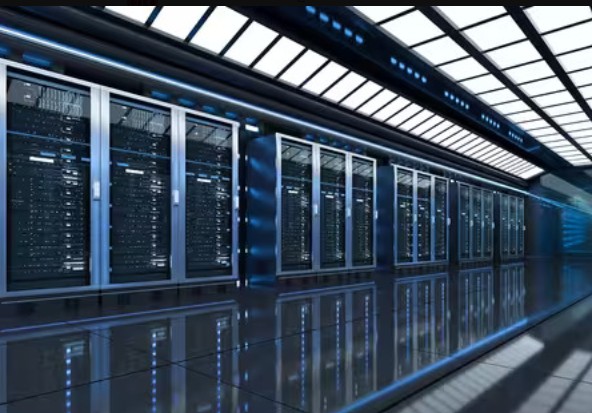
Singapore’s data centre industry is entering a new phase of growth as artificial intelligence reshapes the demand for digital infrastructure. Data centres were once largely viewed as facilities for storing information, hosting websites and supporting cloud services. Today, they are becoming essential infrastructure for training AI models, processing large volumes of data and running increasingly complex digital applications.
This shift is changing the economics of the industry. Investment decisions are no longer based only on the availability of land, buildings and server space. Operators must also consider computing power, energy efficiency, cooling systems, network capacity and access to advanced hardware. For Singapore, which has limited land and energy resources but a strong digital economy, the challenge is to expand its data centre capabilities without putting additional pressure on essential resources.
AI Is Changing the Economics of Data Centres
The rapid adoption of generative AI and enterprise automation is creating demand for more powerful computing infrastructure. AI applications require specialised processors, high-performance servers and faster connections between computing systems. As a result, data centres are moving beyond traditional storage and hosting services towards more advanced computing environments.
This transition is also changing where businesses direct their investments. Constructing a data centre is only the beginning. A significant share of long-term spending goes towards servers, graphics processing units, networking equipment and regular technology upgrades. The growing importance of these components is creating opportunities for hardware suppliers, infrastructure developers, engineering firms and technology service providers.
For investors, the focus is increasingly shifting from how much capacity a facility can accommodate to how efficiently it can support demanding workloads. Data centres capable of handling specialised AI computing are likely to attract greater interest as businesses expand their use of artificial intelligence.
Higher Computing Demand Is Driving Infrastructure Upgrades
Traditional data centres were designed around comparatively moderate computing requirements. AI workloads, however, can place much greater pressure on processors, power systems and cooling infrastructure.
High-density GPU servers generate substantial heat and require more sophisticated cooling arrangements. Conventional air-cooling systems may not be sufficient for some of these installations, encouraging operators to explore liquid cooling and other advanced thermal-management technologies.
These changes are creating a wider market for electrical equipment, cooling solutions, power management systems and specialised engineering services. Existing facilities may also require upgrades to accommodate newer hardware rather than relying entirely on new construction.
For businesses operating in the infrastructure supply chain, this creates opportunities beyond the physical development of data centres. Companies offering equipment maintenance, energy monitoring, cooling technology and network optimisation could benefit as operators seek to improve performance and manage operating costs.
Energy Efficiency Is Becoming a Business Priority
Singapore’s limited land availability and growing electricity requirements make resource efficiency central to its data centre strategy. AI computing can increase electricity consumption significantly, making power availability an important consideration when planning new facilities.
The industry’s expansion therefore depends not simply on adding more capacity, but on making every unit of electricity work harder. Operators are under pressure to improve cooling efficiency, reduce unnecessary energy consumption and adopt more sustainable operating practices.
Water management is another important consideration, particularly for facilities that rely on water-intensive cooling systems. Businesses must balance performance, reliability and environmental responsibilities while keeping operational costs under control.
This emphasis on efficiency is also influencing investment decisions. Facilities that can deliver stronger computing performance with lower energy and resource consumption may gain a competitive advantage. It is encouraging demand for efficient cooling systems, renewable energy solutions, smart power management and advanced building technologies.
Regulation Is Reshaping Investment Decisions
Singapore has taken a measured approach to data centre expansion because of the sector’s demand for electricity, water and land. Instead of encouraging growth without restrictions, the country has increasingly placed importance on efficient infrastructure and responsible resource use.
This regulatory direction means that developers must consider environmental performance and operational efficiency from the early stages of project planning. Compliance is becoming an important part of investment strategy rather than an administrative requirement addressed after construction.
For operators, stronger regulatory expectations can increase development costs and project complexity. However, they can also encourage innovation and create demand for technologies that help facilities meet higher efficiency standards.
The broader message for investors is clear: future growth will depend on the ability to combine computing capacity with sustainable infrastructure. Projects that fail to address resource constraints may face greater challenges in securing approvals, managing costs and maintaining long-term competitiveness.
Singapore’s Role in the Wider ASEAN Data Centre Market
Singapore’s influence extends beyond its domestic data centre capacity. Its established financial services industry, international connectivity, business environment and digital infrastructure make it an important centre for managing regional technology operations.
However, limited land and power availability have encouraged greater interest in neighbouring markets, particularly Malaysia and Indonesia. These countries offer opportunities for larger infrastructure developments and additional computing capacity.
This is creating a more interconnected regional ecosystem. Singapore can continue to serve as a centre for financial services, enterprise technology, research, network connectivity and high-value digital operations, while neighbouring markets accommodate some of the larger physical infrastructure requirements.
The development of cross-border data centre networks could benefit construction companies, power suppliers, engineering businesses, telecommunications providers and technology firms across Southeast Asia. It also creates opportunities for investors looking beyond individual facilities towards the wider digital infrastructure supply chain.
New Opportunities for Businesses and Investors
The changing nature of the industry is opening opportunities across several business segments. Demand is growing not only for data centre buildings but also for the services and technologies required to operate them.
-
Cooling and thermal management: Advanced cooling systems are becoming essential as computing density increases.
-
Power infrastructure: Reliable electrical equipment, backup systems and energy management solutions are gaining importance.
-
AI hardware and networking: High-performance processors, servers and faster connectivity are central to specialised computing facilities.
-
Renewable energy and efficiency: Operators are looking for ways to reduce environmental impact and manage electricity costs.
-
Engineering and maintenance: Existing facilities require regular upgrades, monitoring and technical support.
-
Regional infrastructure services: Cross-border expansion is creating demand for construction, connectivity and operational expertise across ASEAN.
For smaller businesses, opportunities may emerge through specialised services, equipment supply, maintenance contracts and partnerships with larger infrastructure operators. The sector’s growth is therefore relevant to a much wider business ecosystem than property developers and technology companies alone.
The Next Phase Will Depend on Efficiency and Regional Collaboration
Singapore’s data centre industry is moving towards a more sophisticated growth model in which computing performance, energy efficiency and regional connectivity matter as much as physical capacity. Artificial intelligence is creating fresh investment opportunities, but it is also raising the cost and complexity of operating digital infrastructure.
The country’s ability to maintain its position will depend on how effectively it manages electricity and water demand, encourages technological innovation and works with neighbouring markets. For businesses and investors, the opportunity lies in supporting this transition through specialised equipment, efficient infrastructure and services that make AI computing more reliable and sustainable.
As AI becomes more deeply integrated into business operations, data centres will play an increasingly important role in the digital economy. Singapore’s next growth phase will not simply be about building more facilities. It will be about creating smarter infrastructure that delivers greater computing value while using resources more responsibly.