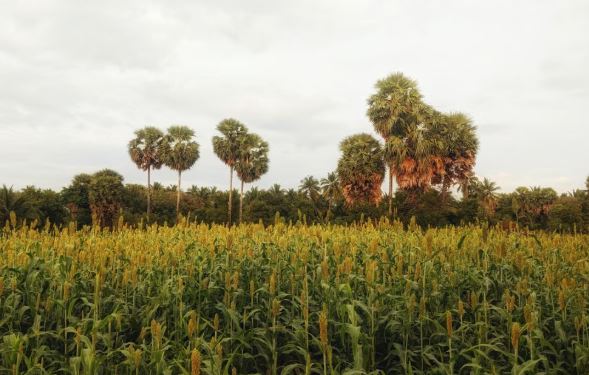
India’s traditional grains are finding a new place in the modern economy. Millets, popularly known as Shree Anna, are moving beyond their image as inexpensive rural staples to become important ingredients in the country’s growing health-food, food-processing and sustainable agriculture industries. From ragi-based breakfast products to millet noodles, packaged snacks and ready-to-cook meals, these grains are creating opportunities for farmers, small businesses and food entrepreneurs.
The revival is significant because it connects three major economic priorities: improving agricultural livelihoods, building climate-resilient food systems and creating new sources of rural employment. As changing weather patterns put pressure on farming and consumers become more conscious of what they eat, millets offer India an opportunity to combine traditional agricultural knowledge with modern business innovation.
India already has a strong foundation in this sector. According to government figures, the country produced approximately 180.15 lakh tonnes of millets in 2024–25, based on the third advance estimates. India accounted for around 38.4% of global millet production in 2023, according to figures cited by the government from the Food and Agriculture Organization. These numbers highlight the scale of the opportunity, although turning production into sustainable income will depend on stronger markets, processing facilities and consistent consumer demand.
Why Millets Matter for a Sustainable Economy
Sustainability is no longer just an environmental concern; it is increasingly connected to business costs, food security and long-term economic resilience. Millets can contribute to these goals because many varieties grow well under rain-fed conditions, tolerate periods of limited moisture and can perform in regions where intensive irrigation is difficult.
Compared with water-intensive paddy cultivation, certain millets generally require less water under comparable growing conditions. Their ability to grow in different agro-climatic regions also makes them useful for diversifying farming systems. For farmers exposed to irregular rainfall, adding suitable millet varieties to crop rotations can provide another production option and reduce dependence on a single crop.
Millets can also support more efficient use of agricultural resources. Depending on local conditions and farming practices, they may require fewer inputs than some alternative crops. Their cultivation can help maintain agricultural activity in less favourable growing areas, while crop diversification can contribute to soil management and resilience.
However, the environmental benefits are not automatic. Water requirements, yields and input use differ between millet varieties and locations. Sustainable outcomes depend on suitable crop selection, responsible soil management and locally appropriate farming methods.
The economic benefit lies in creating a food system that is better equipped to withstand weather uncertainty while providing farmers and businesses with additional opportunities to earn.
From Traditional Grain to a Growing Food Business
For decades, millets lost ground in many Indian households as rice and wheat became dominant staples. Today, food manufacturers are exploring ways to make these grains more convenient and appealing to modern consumers.
Millet flour, breakfast cereals, biscuits, pasta, vermicelli, savoury snacks and instant meal mixes are expanding the range of products available to consumers. Ragi is widely used in flour and breakfast preparations, while jowar and bajra are finding applications in traditional foods and newer packaged products.
This creates opportunities for micro, small and medium enterprises (MSMEs). Entrepreneurs can enter the market through grain cleaning, milling, roasting, packaging or supplying ingredients to larger manufacturers. Businesses with greater investment capacity can develop branded foods for supermarkets, online platforms, hotels and institutional buyers.
The key is to make millet products practical for everyday use. Consumers may be attracted by nutritional claims, but repeat purchases depend on taste, price, availability and convenience. Affordable products that fit familiar eating habits could help millets move beyond the premium health-food segment and reach a wider market.
For India’s food-processing industry, this transition can generate value beyond the farm gate. Instead of selling only raw grain, businesses can develop finished products, build brands and create demand for locally sourced agricultural ingredients.