Traditional industries have always depended on experience, practical skills and strong customer relationships. But as customer expectations change and competition increases, businesses are finding new ways to work smarter and grow. Digital transformation is helping them make this shift by bringing technology into everyday business operations.
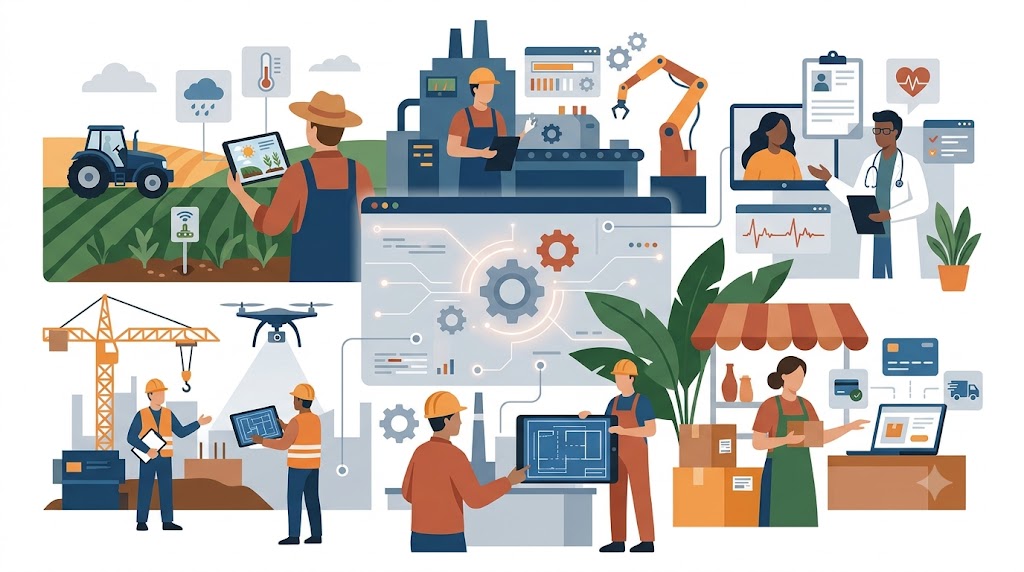
From small manufacturers and family-run shops to farms, hospitals and construction companies, digital tools are creating opportunities that were once difficult or expensive to access. Businesses can now manage their operations more efficiently, connect with customers beyond their local markets and make better decisions using real-time information.
Digital Tools Make Everyday Business Easier
Managing stock, tracking orders, maintaining equipment and keeping financial records can take considerable time, especially for small businesses with limited staff. Digital tools can simplify these tasks and reduce the pressure on employees.
In manufacturing, automated machines and connected sensors help businesses monitor production and identify equipment problems before they cause major delays. Digital inventory systems make it easier to track supplies, avoid unnecessary purchases and reduce waste.
For business owners, these improvements can mean fewer operational difficulties, better cost control and more time to focus on customers and business growth.
Small Businesses Can Reach Bigger Markets
One of the biggest changes brought by digital technology is the ability to find customers beyond traditional markets. Earlier, many small producers and local retailers depended largely on nearby customers and physical stores. Today, online platforms and digital marketing allow them to showcase their products to a much wider audience.
Artisans, food producers, manufacturers and independent retailers can use online channels to attract new buyers without immediately investing in additional shops or sales outlets.
Digital tools are also helping businesses develop new services. Equipment suppliers, for example, can offer remote monitoring and maintenance support alongside their products. Such services can create additional income while helping businesses build lasting customer relationships.
Technology Is Changing Agriculture and Healthcare
Digital transformation is bringing practical changes to industries that directly affect everyday life.
Farmers can use weather updates, digital advisory services and modern monitoring tools to make better decisions about irrigation, crop care and the use of agricultural inputs. Access to market information can also help them plan sales and understand changing demand.
In healthcare, telemedicine allows patients to consult doctors remotely, while digital records help healthcare professionals organise patient information more efficiently. These services can improve access to care, particularly for people living far from major hospitals.
However, the benefits depend on reliable connectivity, appropriate training and the responsible handling of personal information.
Construction Businesses Gain Better Control
Construction projects often involve multiple teams, suppliers, materials and deadlines. Even small delays can increase costs and affect project completion.
Digital design tools, project management software and drone surveys can help businesses track progress, coordinate workers and identify problems earlier. Better planning also makes it easier to manage materials, monitor expenses and communicate changes to clients.
For smaller contractors, these improvements can support more efficient project delivery and help build trust with customers.
Better Customer Understanding Creates New Opportunities
Customers increasingly expect convenient services, quick responses and reliable information. Digital platforms help businesses meet these expectations by making communication and transactions easier.
By studying sales patterns and customer feedback, businesses can understand which products are in demand, when customers are likely to buy and where improvements are needed. This information can help them manage inventory, plan promotions and avoid spending money on activities that deliver limited results.
Digital payments and online ordering also make purchasing easier, giving local businesses more opportunities to retain existing customers and attract new ones.
The Challenges of Going Digital
Adopting new technology is not always straightforward. Small businesses may struggle with the cost of software, outdated equipment or a lack of employees with the necessary digital skills. Some workers may also need time and training to become comfortable with new systems.
Cybersecurity is another important concern. As businesses store more information online, protecting customer details, financial records and internal systems becomes essential.
The transition does not have to happen all at once. Businesses can start with simple, affordable solutions, such as digital billing, online payments, inventory software or customer management tools. As they become more comfortable with technology, they can gradually introduce more advanced systems.
A New Path for Traditional Industries
Digital transformation is not about replacing traditional business knowledge with technology. It is about combining experience with tools that make work easier, improve decision-making and open new avenues for growth.
For small enterprises, the right digital investment can help reduce avoidable costs, reach new customers and compete more effectively. For larger companies, it can improve productivity and make operations more responsive to market changes.
As technology becomes more accessible, businesses that approach digital adoption with clear goals and practical planning will be better placed to adapt to changing demands. The real opportunity lies in using technology to solve everyday problems and turn established strengths into sustainable business growth.