“Roads are meant for people to travel. If vehicles are parked on it their side, there will be little to no road space left. Discussions are currently under way on this and we will know about the decision soon.”

Prathima Manohar, founder of urban planning think tank Urban Vision, argued that treating roads as free car storage undermines other road users.
“Bengaluru is right to price on-street parking, but collecting revenue cannot be the end goal,” she said, adding that the money must go towards footpaths, pedestrian crossings, tree cover, cycling infrastructure and public transport.
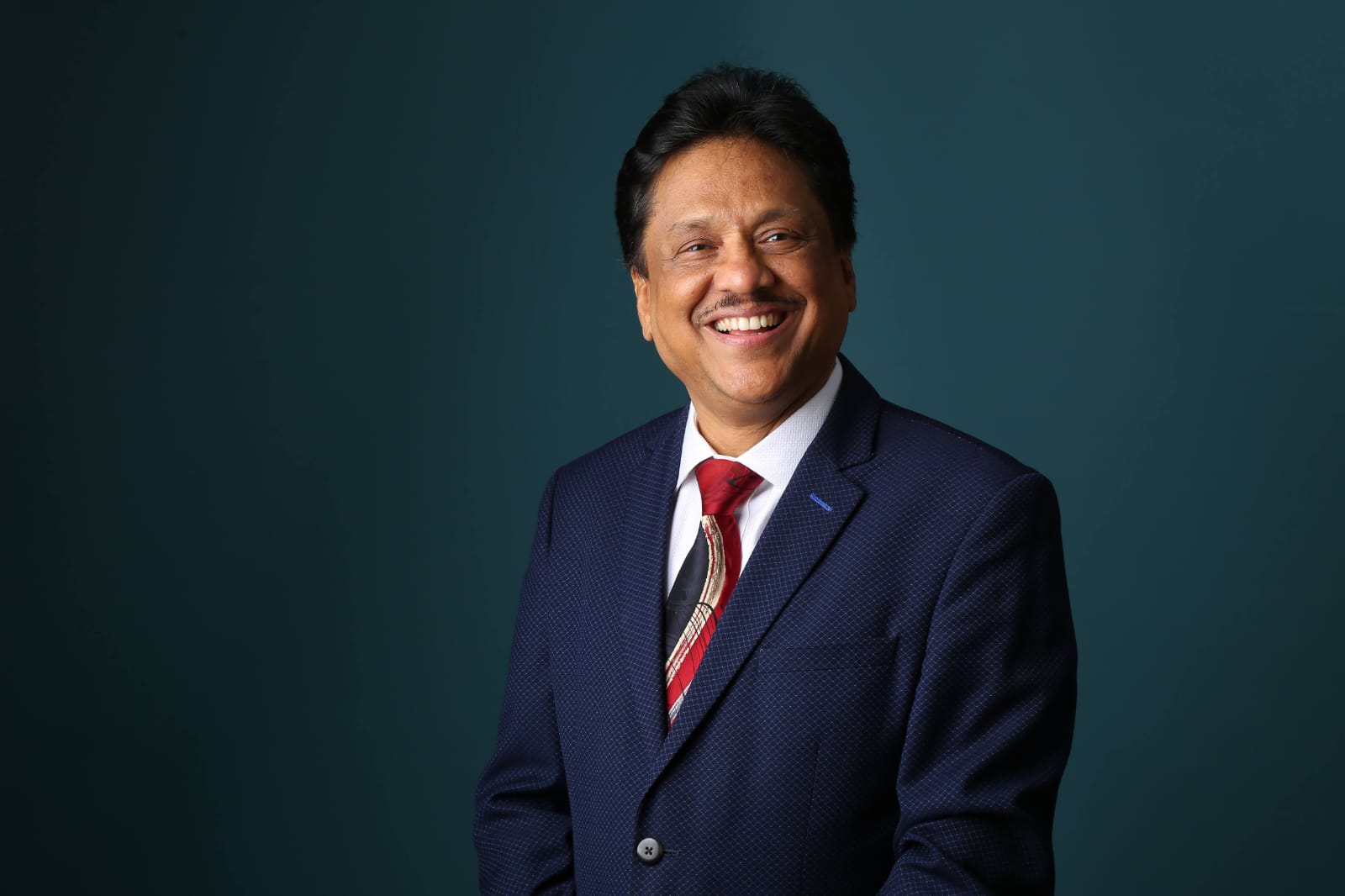
He suggested linking new construction approvals to multi-level parking and building facilities on vacant land in congested zones. Addressing steep proposed fines—starting at ₹1,000 weekly alongside threats to trade licenses—Ravi emphasized that businesses need a realistic time frame to find alternatives before facing punitive action. Drawing parallels to Japan and Singapore, he proposed requiring proof of a dedicated parking space prior to vehicle registration.
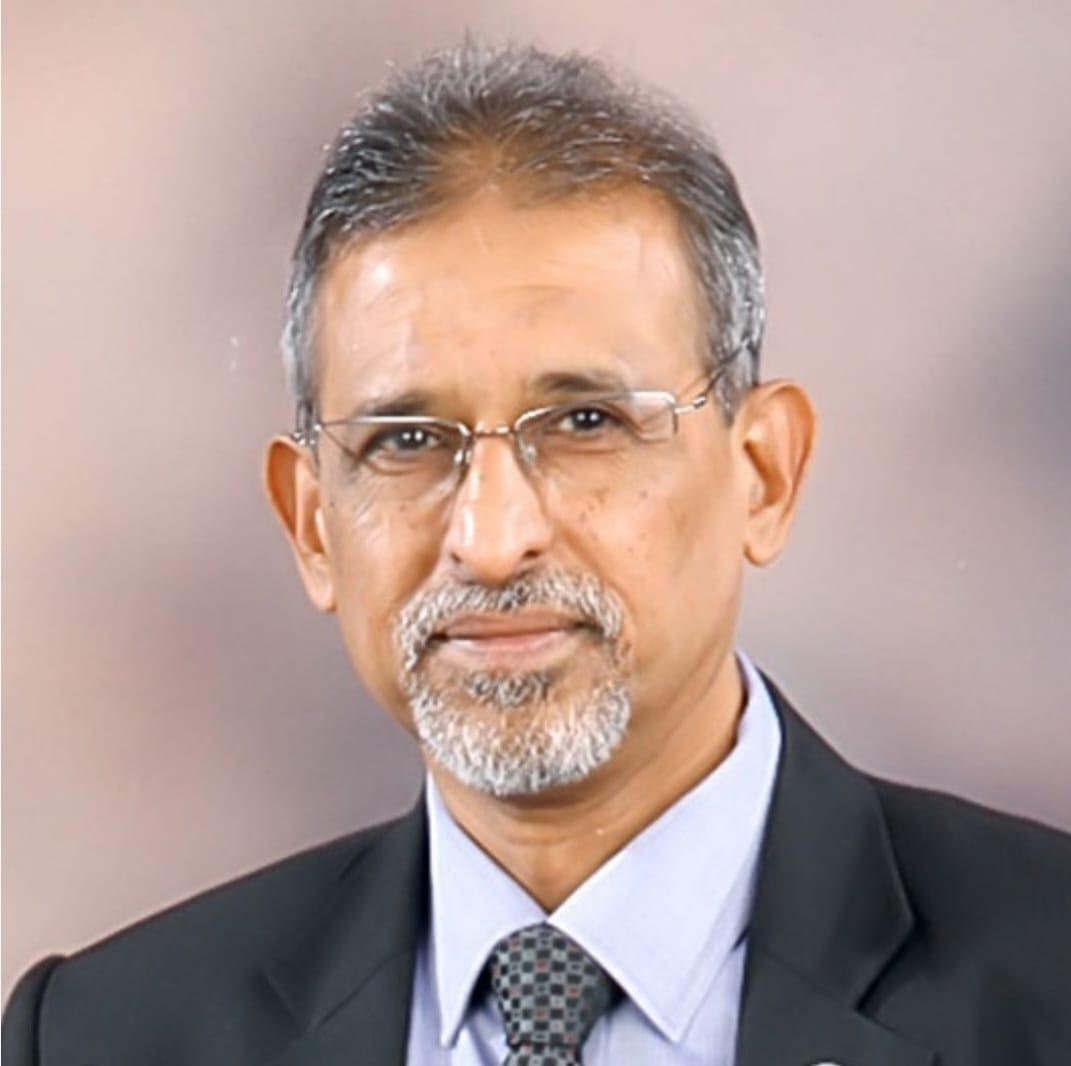
Suresh Hari, former CREDAI Bengaluru chairman, agreed the draft rules match international standards, but cautioned that execution will make or break the initiative. Without an efficient, preferably automated, mechanism to monitor violations, he warned, the policy risks becoming a campaign that is well intentioned but eventually faces implementation challenges. He advocated for incentivizing developers to increase parking capacity rather than relying strictly on penalties.
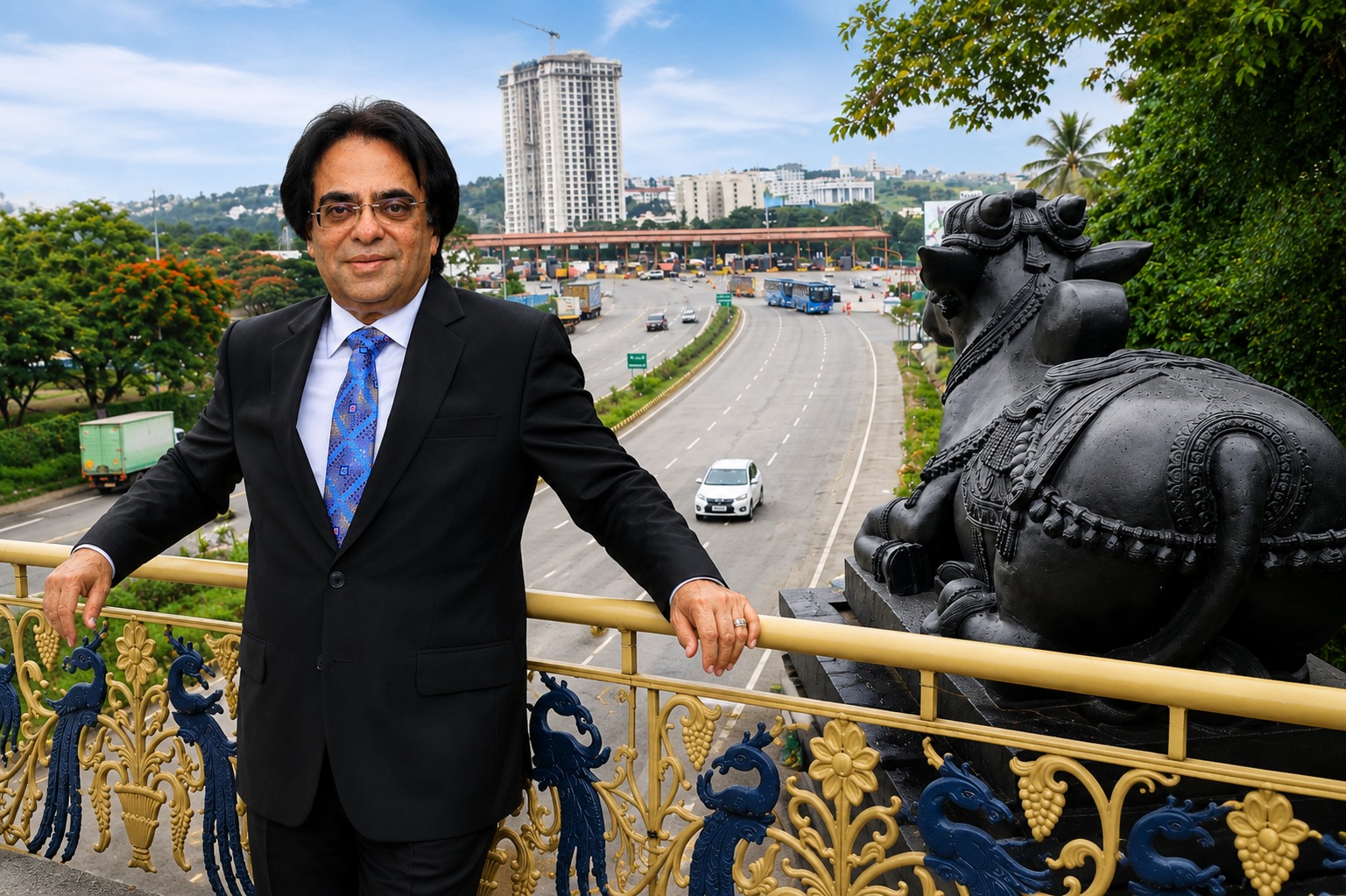
Offering another strategy, NICE Managing Director Ashok Kheny pointed to global congestion pricing model in cities like New York, London, and Paris, proposing an energy fee for vehicles entering the city. He also suggested reserving corner spots at major intersections and commercial hubs for multi-level parking to ease congestion while generating revenue.
“However, these proposals hinge on the same missing piece — parking infrastructure that does not yet exist at the scale the city needs. The challenge for the state govt will be to build an adequate alternatives and effective enforcement mechanism, while at the same time ensuring that the policy does not disproportionately burden residents who have little choice but to park on the street,” Kheny.