
Hyderabad, Feb 11: When a newborn struggles to feed, breathes rapidly, or develops a bluish tinge around the lips, parents may assume it is part of normal adjustment after birth. But in some cases, these subtle signs can signal a congenital heart defect, the most common birth defect in India. As the country observes Congenital Heart Awareness Week (February 7-14), doctors at CARE Hospitals highlight that nearly 8 out of every 1,000 babies are born with congenital heart disease (CHD). With India recording approximately 2.4–2.5 crore births annually, this translates to an estimated 1.8 to 2 lakh newborns affected each year. Congenital heart defects are structural abnormalities in the heart present at birth. They occur when parts of the heart — such as chambers, valves, or major blood vessels — do not develop properly during pregnancy, altering the normal flow of blood. In severe cases, this can lead to oxygen deficiency, heart failure, or growth delays if left untreated.
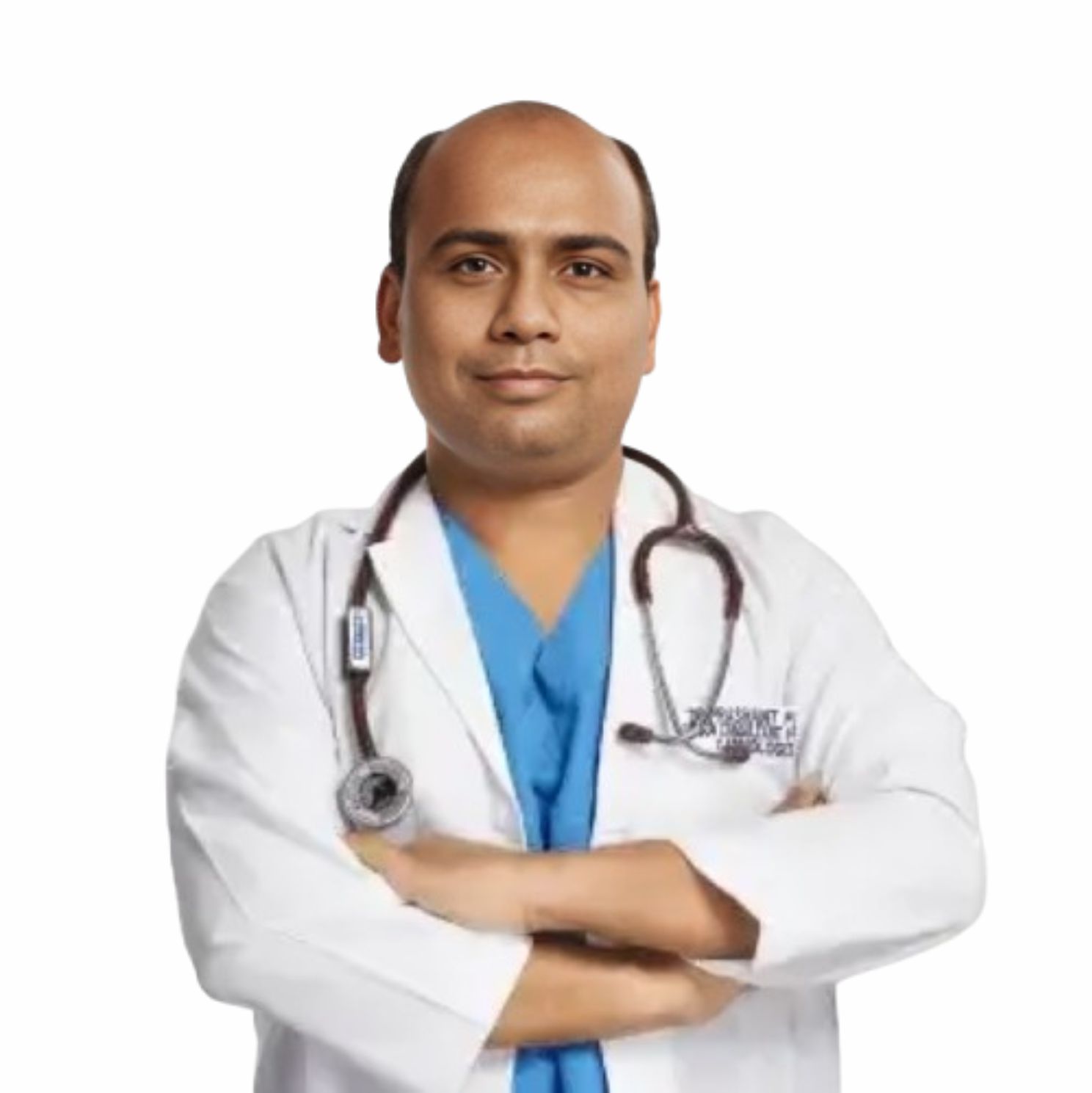
Dr. Prashant Prakashrao Patil, Senior Consultant, Interventional Pediatric Cardiologist, CARE Hospitals, Banjara Hills, Hyderabad, said,
“The heart beats nearly 100,000 times a day, pumping oxygen-rich blood to every organ. When there is a structural defect, blood flow may be obstructed or oxygen-rich and oxygen-poor blood may mix. In India, delayed diagnosis remains a significant challenge, particularly in smaller towns. Recognising early warning signs such as rapid breathing, bluish lips or nails, poor weight gain, or excessive sweating during feeds can be lifesaving.”
Among the most commonly diagnosed defects are septal defects, often referred to as ‘holes in the heart,’ including Atrial Septal Defect (ASD) and Ventricular Septal Defect (VSD). While small defects may close naturally as a child grows, larger ones can strain the heart and lungs, requiring medical or surgical intervention. Diagnosis involves clinical examination supported by tests such as pulse oximetry, electrocardiogram (ECG), chest X-ray, and echocardiography. In some cases, fetal echocardiography between 18 and 22 weeks of pregnancy can help detect heart defects even before birth. Over the past two decades, advances in pediatric cardiac care have significantly improved survival rates. Minimally invasive catheter-based procedures and refined surgical techniques have transformed outcomes, enabling most children with congenital heart disease to lead normal, active lives.
“At CARE Hospitals, we are seeing increasing awareness among parents, but early referral is still critical. Congenital heart disease is no longer a life-limiting condition in most cases. With timely diagnosis, advanced interventions, and multidisciplinary care, children can grow into healthy adults,” said Dr. Tapan Kumar Dash, Clinical Director and Head of Department – Paediatric Cardiothoracic Surgery, CARE Hospitals, Banjara Hills, Hyderabad.
CARE Hospitals, equipped with specialised pediatric cardiology and cardiothoracic surgery teams, emphasises routine newborn screening and timely specialist consultation to reduce preventable complications. As Congenital Heart Awareness Week draws attention to this silent yet significant health concern, experts reiterate a simple message: early detection can protect the smallest hearts, and give every child the chance at a healthy future.
