

In this story
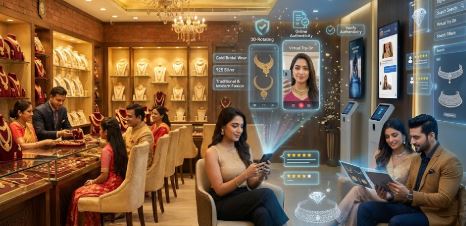
India’s jewellery market is entering a significant phase of transformation as traditional buying habits meet the growing influence of digital technology. Jewellery has long been an important part of Indian culture, weddings and family investments. However, consumers are increasingly discovering designs, comparing prices and evaluating brands online before making a purchase. This shift is changing how jewellery businesses attract customers, build trust and generate revenue.
For retailers, digital transformation is no longer limited to maintaining an online presence. It is becoming an important business strategy for reaching younger consumers, expanding into new markets and improving the overall shopping experience. As competition increases, jewellers that combine traditional credibility with modern digital capabilities are better positioned to capture emerging opportunities.
Digital Discovery Is Changing Jewellery Retail
The way consumers shop for jewellery has changed considerably. Earlier, buyers largely depended on family recommendations, local stores and personal visits to explore designs. Today, social media platforms, search engines, online catalogues and digital advertisements influence purchasing decisions much earlier in the customer journey.
Many customers research collections, compare designs and check product details online before visiting a showroom. This behaviour, commonly described as Research Online, Purchase Offline, gives jewellery retailers an opportunity to influence customers before they enter a physical store.
For businesses, this creates a new channel for customer acquisition. A well-managed digital presence can generate enquiries, increase showroom visits and help retailers connect with buyers beyond their immediate geographical markets.
Social Media Creates New Marketing Opportunities
Social media has become an important discovery channel for jewellery brands. Visually appealing product photographs, short videos, styling ideas and festive collections help businesses showcase their products to a wider audience.
Instagram, YouTube and other digital platforms allow retailers to communicate directly with potential customers. Instead of depending entirely on traditional advertising, businesses can use targeted campaigns to reach consumers based on their interests, location and shopping preferences.
This development is particularly valuable for small and medium-sized jewellers. Digital marketing provides an opportunity to compete for consumer attention without the high costs associated with large-scale traditional campaigns. However, consistent content, product transparency and customer engagement remain essential for converting online interest into actual sales.
Technology Is Improving the Jewellery Buying Experience
Technology is helping jewellery businesses make online shopping more interactive. Artificial intelligence, augmented reality and virtual try-on tools are gradually changing how customers explore products.
Virtual try-on features allow shoppers to see how selected earrings, necklaces or other accessories may look before making a purchase. High-quality product images, 360-degree views and detailed descriptions also help customers examine designs more confidently.
For retailers, these tools can improve customer engagement and support purchase decisions. They can also help businesses understand customer preferences, identify popular designs and plan their collections more effectively.
However, technology cannot replace the importance of trust in jewellery purchases. Buyers still expect accurate information about purity, weight, certification, pricing and return policies. Digital convenience must be supported by transparent business practices.
Omnichannel Retail Is Becoming a Competitive Advantage
The growing connection between online and offline shopping is encouraging jewellery retailers to adopt an omnichannel business model. Under this approach, customers can discover products online, communicate with sales teams digitally, visit a showroom and complete their purchases through their preferred channel.
This model helps businesses maintain customer relationships across different stages of the buying journey. It also allows traditional jewellers to use their existing showroom networks while expanding their digital reach.
For established retailers, an integrated online and offline strategy can improve customer retention and create additional sales opportunities. For emerging brands, it offers a way to build market visibility without depending entirely on physical expansion.
Changing Consumer Preferences Are Expanding Demand
Wedding jewellery continues to represent an important part of India’s jewellery demand. However, purchasing preferences are gradually becoming more diverse. Younger consumers are showing interest in lightweight designs, everyday jewellery, contemporary collections and self-purchase.
This shift is encouraging retailers to rethink their product offerings. Businesses that understand changing preferences can develop collections for different age groups, budgets and occasions.
Demand from smaller cities and emerging urban markets also presents opportunities for jewellery retailers. Better internet access and digital payment adoption are helping consumers explore brands and designs that may not be available locally. Retailers with strong digital communication and reliable delivery or showroom networks can use this opportunity to expand their customer base.
Business Opportunities Across the Jewellery Value Chain
The digital transformation of jewellery retail is creating opportunities beyond traditional manufacturing and showroom sales.
-
Digital marketing agencies: Jewellery brands increasingly need specialised support for online advertising, search visibility, social media management and customer acquisition.
-
E-commerce and technology providers: Retailers require platforms that support product catalogues, online enquiries, payments and inventory management.
-
Photography and content businesses: High-quality product images, videos and virtual presentations are becoming important tools for attracting buyers.
-
AI and retail technology companies: Virtual try-on solutions, customer analytics and personalised recommendations offer opportunities for technology providers.
-
Customer relationship management: Digital systems can help jewellers manage enquiries, understand buying behaviour and maintain long-term customer relationships.
These developments are creating space for startups, technology firms, marketing agencies and specialised service providers to work with jewellery businesses.
Challenges That Businesses Must Address
Despite the opportunities, digital expansion also brings challenges. Jewellery is a high-value purchase, and customers often prefer to examine products physically before committing to a transaction. Concerns about authenticity, product quality, security and after-sales service can affect online conversions.
Retailers must therefore invest in accurate product information, secure payment systems, transparent pricing and dependable customer support. They also need to manage digital marketing costs carefully and ensure that online promotions generate genuine business enquiries rather than only views and engagement.
Businesses that combine technology with strong customer service and product credibility are more likely to build lasting relationships.
Conclusion
India’s jewellery market is evolving from a showroom-led industry into a more connected retail ecosystem where digital discovery, technology and personal shopping experiences increasingly influence purchasing decisions. This change is creating opportunities for traditional jewellers to expand their reach, emerging brands to build recognition and technology-driven businesses to serve a growing retail sector.
The biggest opportunity lies in connecting online visibility with actual sales. Retailers that invest in digital marketing, customer data, interactive product experiences and transparent service can improve customer acquisition while strengthening long-term loyalty. As consumer expectations continue to change, digital capability will become an important factor in determining how jewellery businesses compete, grow and protect their market position.