
In this story
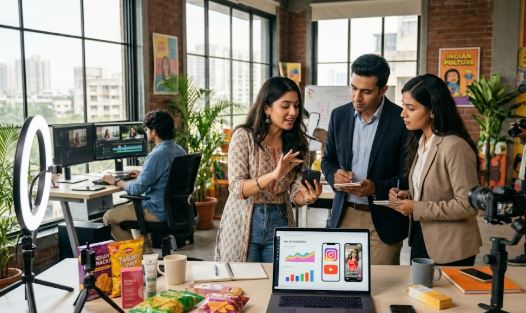
India’s creator economy is changing how businesses attract customers, build brand loyalty and compete in an increasingly digital marketplace. Companies that once depended heavily on traditional advertisements and celebrity endorsements are now working with social media creators who understand their audiences and can influence everyday purchasing decisions. For businesses, this shift is not simply about following an online trend. It is about finding more direct, flexible and relatable ways to connect with consumers.
The growth of creator-led marketing is also creating opportunities for small businesses, startups and independent professionals. From fashion and beauty to food, technology, travel and financial services, companies are exploring how digital content can generate customer interest, strengthen brand recognition and support sales. At the same time, creators are building careers, launching businesses and creating demand for services such as video production, design, digital advertising and social media management.
Why Brands Are Changing Their Marketing Strategies
Traditional advertising remains important, but reaching consumers has become more complicated as audiences spread their attention across social media platforms, online videos and digital communities. A single advertisement may introduce a product, but it does not always provide the personal explanation or practical demonstration that customers want before making a purchase.
Creators help fill this gap by presenting products through tutorials, reviews, demonstrations and everyday experiences. A fashion creator can show how an outfit looks in different settings, while a food creator can introduce customers to a new restaurant or packaged product. This content makes product discovery more accessible and gives brands an opportunity to communicate in a format that feels relevant to their target audience.
Businesses are also moving away from treating creator partnerships as isolated promotional activities. Long-term collaborations can help brands maintain a consistent message, build familiarity and develop stronger relationships with potential customers.
The commercial objective is becoming clearer: brands want marketing that delivers more than visibility. They want to understand whether a campaign attracts relevant audiences, generates enquiries, encourages purchases and contributes to customer retention.
Micro-Influencers Offer Opportunities for Smaller Businesses
One of the most significant developments is the growing role of micro- and nano-influencers. Rather than focusing exclusively on celebrities with large followings, businesses are increasingly exploring partnerships with creators who serve smaller, more specialised communities.
These creators may focus on regional fashion, home cooking, fitness, parenting, local travel, technology or other specific interests. Their audiences can be valuable to brands because the content is closely connected to the products and services being promoted.
For small and medium-sized businesses, this approach can make digital marketing more accessible. A local clothing label may collaborate with a regional fashion creator, while a neighbourhood restaurant could work with food reviewers who reach nearby customers. Such partnerships allow businesses to test campaigns on a smaller scale before committing to larger promotional budgets.
However, smaller creators do not automatically deliver better results. Businesses need to assess audience relevance, genuine engagement, content quality and the creator’s credibility. A well-matched partnership is often more valuable than a campaign built around follower numbers alone.
Regional Creators Are Expanding Market Access
India’s linguistic and cultural diversity offers brands a significant opportunity to connect with consumers beyond major metropolitan centres. Regional-language creators can explain products in familiar terms, reflect local preferences and build connections that national advertising campaigns may struggle to achieve.
This is particularly relevant for businesses seeking customers in tier-2 and tier-3 cities. Local retailers, tourism operators, food brands, handicraft sellers and emerging consumer businesses can use regional content to introduce their offerings to wider audiences.
For example, a small business selling traditional clothing or locally produced food can showcase its products through creators who understand the cultural context and purchasing preferences of the intended market. Such visibility can help businesses attract new customers without relying entirely on expensive mass-media campaigns.
Regional creator marketing can also support local economic activity by bringing attention to artisans, independent sellers and businesses that might otherwise have limited promotional resources. As online discovery improves, some of these enterprises may find opportunities to sell beyond their home markets.
From Marketing Campaigns to Measurable Business Results
The creator economy is encouraging businesses to rethink how they evaluate marketing performance. Views, likes and follower counts can indicate audience interest, but they do not necessarily show whether a campaign has helped a business grow.
Companies are increasingly interested in measures such as website traffic, customer enquiries, conversion rates, cost per acquisition and repeat purchases. Promotional codes, affiliate links and trackable campaign links can help brands understand how creator content contributes to sales.
This approach can improve decision-making, particularly for startups and businesses working with limited budgets. Instead of investing heavily in a single campaign, companies can test different creators, compare results and concentrate spending on partnerships that reach the right customers.
Still, not every campaign produces immediate sales. Some content builds awareness or trust over time, while other campaigns may generate direct purchases. Businesses need to set clear objectives before choosing creators and assess performance in line with those goals.
Creators Are Becoming Entrepreneurs
The business relationship between creators and brands is also evolving. Some digital personalities are moving beyond paid endorsements to launch their own products and direct-to-consumer businesses.
An established creator may have a clearer understanding of audience preferences because of regular interaction with followers. Feedback from comments, product discussions and community engagement can help identify unmet needs or new product ideas. This knowledge can support the development of businesses in categories such as fashion, beauty, lifestyle and food.
Creator-led businesses can also generate opportunities for other enterprises. Product launches may require manufacturers, packaging suppliers, designers, logistics providers, payment services and customer-support teams. As these businesses expand, their commercial activity can spread across a wider network of suppliers and service providers.
However, an online following is only one part of building a sustainable business. Product quality, pricing, inventory management, customer service and reliable delivery remain essential. Creators who combine audience trust with sound business management are better positioned to turn digital influence into lasting commercial value.
How the Creator Economy Supports India’s Business Growth
The sector’s economic significance extends beyond advertising expenditure. Its expansion can support employment, encourage entrepreneurship and help more businesses participate in the digital marketplace.
Employment and skill development: Demand for content production is creating work for video editors, photographers, writers, designers, social media managers, digital marketers and campaign coordinators. It is also encouraging people to develop practical skills in storytelling, production technology and online business management.
Growth opportunities for MSMEs: Smaller businesses can use targeted creator partnerships to reach customers, introduce new products and compete for attention without depending exclusively on large advertising campaigns. The impact depends on campaign costs and results, but the approach can offer a more flexible route to market.
Support for regional businesses: Local-language content can help traditional industries, artisans, tourism businesses and regional manufacturers reach new audiences. Greater visibility may translate into additional orders and stronger commercial opportunities when businesses can meet the resulting demand.
Innovation in digital commerce: Creator-led product discovery connects marketing more closely with online shopping, affiliate sales and direct customer engagement. This can encourage businesses to experiment with new distribution models and improve the way they understand consumer needs.
New opportunities for service providers: As brands and creators work together more frequently, demand can grow for talent-management agencies, production studios, campaign analytics, advertising technology and other specialist services.
These developments suggest that the creator economy can become an important contributor to India’s broader digital business ecosystem. Its long-term value will depend on whether the activity generates sustainable income, productive employment and lasting growth for businesses of different sizes.
Challenges Businesses Must Address
Despite its opportunities, creator marketing carries risks. Fake followers, artificial engagement, inconsistent campaign reporting and poorly matched partnerships can reduce returns on marketing spending. A creator’s public behaviour or an undisclosed conflict can also create reputational challenges for a brand.
Creators face their own difficulties, including unpredictable income, changing platform algorithms, rising production costs and dependence on a small number of commercial partners. Payment delays and unclear contracts can make it difficult for independent professionals to manage their finances.
Businesses can reduce these risks by setting clear campaign objectives, checking audience quality, agreeing on deliverables and payment terms, and reviewing performance after each campaign. Paid partnerships should be disclosed clearly, and promotional claims must be accurate. These practices help protect consumer trust while making collaborations more professional and accountable.
The Future of Creator-Led Marketing in India
India’s creator economy is moving towards a more business-oriented model in which creativity, audience relationships and measurable outcomes work together. Brands are looking beyond one-time promotions to build partnerships that support product discovery, customer engagement and long-term growth.
For small businesses, creators can provide access to audiences that were once difficult or expensive to reach. For independent professionals, the sector offers opportunities to build careers, develop specialist services and establish new ventures. For consumers, it can make product information more accessible, provided that sponsored content remains transparent and trustworthy.
The next phase of growth will depend on how effectively businesses and creators turn attention into genuine value. Companies that focus on relevant partnerships, credible communication and clear commercial objectives will be better placed to benefit from this changing landscape.
Ultimately, India’s creator economy is becoming more than a marketing channel. It is developing into a business ecosystem that connects brands, consumers, entrepreneurs and service providers, creating new possibilities for growth across the digital economy.