

In this story
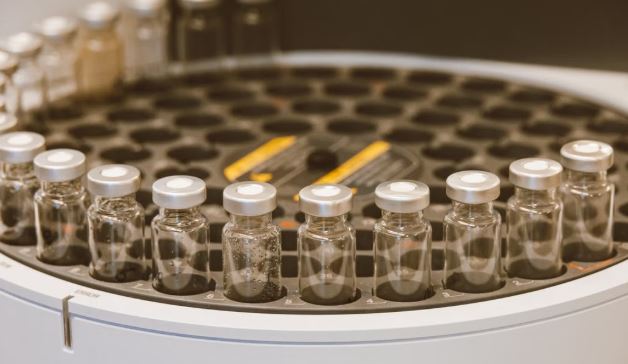
Artificial intelligence is emerging as a powerful force in Massachusetts’ biotechnology industry, changing how scientists conduct research, develop medicines and bring new treatments closer to patients. The state, particularly the Boston-Cambridge region, has long been recognised as one of the world’s leading life sciences centres. Today, its combination of established pharmaceutical companies, research institutions, biotechnology startups and technology firms is creating new opportunities for AI-driven innovation.
As the cost and complexity of drug development continue to challenge the industry, AI is offering a more efficient way to approach scientific research. By analysing large volumes of biological and clinical data, identifying patterns and predicting how potential treatments may behave, these technologies are helping researchers make faster and more informed decisions.
Faster Drug Discovery and Development
Drug discovery traditionally involves years of laboratory research, repeated experiments and significant financial investment. Artificial intelligence is helping biotechnology companies improve this process by identifying promising drug candidates, predicting molecular behaviour and analysing biological interactions.
Machine learning and generative AI can examine millions of molecular combinations and help researchers narrow down potential candidates before moving into expensive laboratory testing. This does not eliminate the need for scientific validation, but it can reduce unnecessary experiments and make early-stage research more targeted.
For biotechnology startups in Massachusetts, these capabilities offer an opportunity to compete through specialised research platforms rather than relying entirely on large research teams and conventional development processes.
The Growing Connection Between Biotechnology and Technology
Massachusetts is witnessing a closer relationship between life sciences and the technology sector. This growing convergence, often described as TechBio, is bringing together biologists, software engineers, data scientists and AI specialists to solve complex medical challenges.
The presence of research institutions, innovation centres and technology companies around Boston and Cambridge provides a strong foundation for this collaboration. Initiatives involving MassBio and Google are also helping biotechnology professionals develop AI-related skills and understand how these tools can be applied to drug discovery.
For businesses, this convergence is creating opportunities beyond traditional pharmaceutical research. Companies specialising in biological data analysis, AI software, laboratory automation and computational biology can become important partners in the wider biotechnology ecosystem.
Autonomous Laboratories Are Changing Research
Another important development is the emergence of AI-powered autonomous laboratories. These facilities combine robotics, advanced software and automated equipment to conduct experiments, collect results and support the next stages of research.
Companies such as Lila Sciences are working towards more automated scientific discovery, bringing AI and laboratory experimentation closer together.
For biotechnology businesses, laboratory automation could improve research productivity, reduce repetitive manual work and allow scientists to conduct more experiments within shorter periods. It may also help smaller companies access sophisticated research capabilities without building every laboratory function from scratch.
Better Use of Biological and Clinical Data
Biotechnology research generates enormous quantities of information, ranging from genetic sequences and protein structures to clinical trial results and patient data. However, this information is often spread across different systems and research platforms.
AI tools can help organise these datasets, identify relationships and uncover patterns that may otherwise remain difficult to detect. Better data integration can support more accurate research decisions, improve target identification and help scientists understand disease mechanisms.
These capabilities are particularly valuable in areas such as cancer research, genetic medicine and rare disease treatment, where understanding complex biological relationships is essential.
At the same time, businesses must invest in reliable data infrastructure, cybersecurity and responsible data management to protect sensitive research and patient information.
New Business Opportunities for Startups and Investors
The growing adoption of AI is expanding the commercial opportunities within Massachusetts’ biotechnology sector. While drug discovery remains a major area of investment, the wider ecosystem is also creating demand for specialised technology providers.
Some of the emerging business opportunities include:
-
AI drug discovery platforms: Developing software that helps pharmaceutical companies identify potential drug candidates and improve research efficiency.
-
Laboratory automation: Providing robotics, intelligent equipment and automated systems that reduce manual research activities.
-
Biological data analytics: Building platforms that organise and interpret complex genomic, molecular and clinical datasets.
-
AI-based diagnostics: Developing analytical tools that support disease detection and help healthcare professionals interpret medical information.
-
Research partnerships: Offering specialised AI capabilities to pharmaceutical companies, universities and emerging biotechnology businesses.
For investors, these areas provide access to a growing market where scientific expertise and technological innovation increasingly work together. However, commercial success will depend on whether companies can demonstrate reliable results, secure partnerships and translate promising research into clinically useful products.
A Changing Workforce and Skills Demand
The growing role of artificial intelligence is also changing the skills required across the biotechnology industry. Scientific knowledge remains essential, but professionals increasingly need an understanding of data analytics, machine learning, computational biology and digital research tools.
This shift is creating demand for employees who can work across both scientific and technological disciplines. Biotechnology companies will need to invest in employee training and recruitment to ensure their teams can use AI effectively while maintaining strong research standards.
Universities, industry organisations and training providers also have an opportunity to develop programmes that prepare the next generation of biotechnology professionals for this changing environment.
Challenges That Businesses Must Address
Despite its potential, AI adoption in biotechnology comes with important challenges. Scientific predictions generated by AI must be tested through laboratory experiments and clinical research before they can support medical decisions.
Companies must also address data privacy, intellectual property protection, regulatory requirements and the risk of inaccurate algorithmic predictions. Developing and maintaining advanced AI systems can require substantial investment, which may be difficult for early-stage startups.
Building trust in AI-generated research will therefore be just as important as improving the technology itself.
The Road Ahead for Massachusetts’ Biotechnology Industry
Artificial intelligence is opening a new chapter for Massachusetts’ biotechnology industry by making scientific research more data-driven, collaborative and efficient. The growing connection between technology companies, pharmaceutical businesses, research institutions and startups is strengthening the state’s position as a centre for life sciences innovation.
For businesses, the opportunity extends well beyond developing new medicines. AI software, laboratory automation, research infrastructure and specialised data services are becoming important areas of commercial growth.
As the technology matures, companies that combine strong scientific foundations with responsible AI adoption will be better positioned to turn research breakthroughs into practical healthcare solutions. Massachusetts’ established biotechnology ecosystem gives it a strong starting point, while continued investment in technology, talent and research collaboration could help shape the next generation of medical innovation.