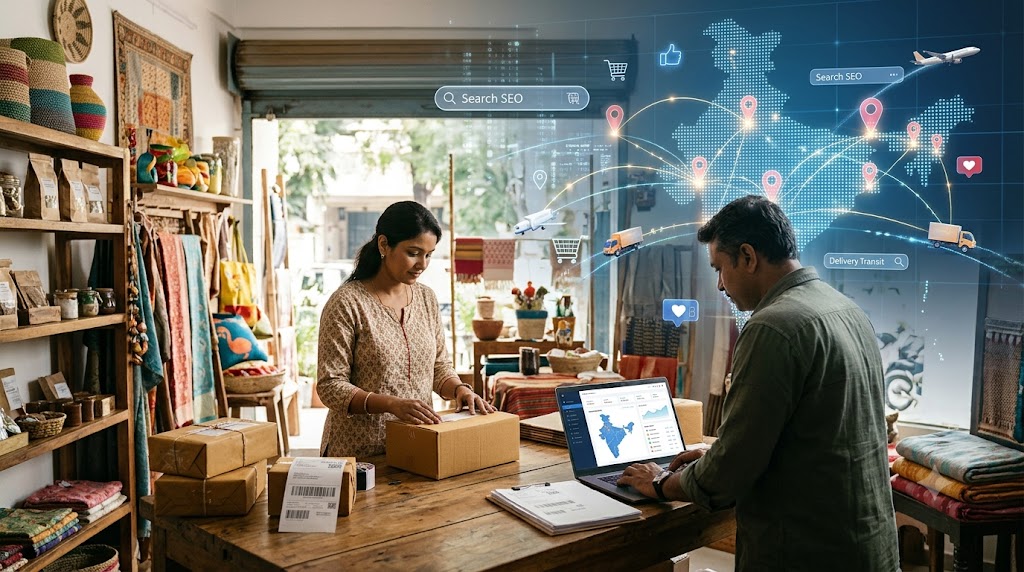
Digital marketing is changing the way local businesses grow by helping them reach customers far beyond their home markets. Small retailers, regional manufacturers, independent fashion labels and home-based entrepreneurs can now promote their products to a nationwide audience without investing immediately in physical stores across multiple cities.
Traditionally, expanding beyond a local market required substantial spending on advertising, distribution networks and retail outlets. Digital platforms have made this process more accessible by allowing businesses to showcase their products online, connect with new customers and test demand in different regions. For many small enterprises, the internet has become an important route to growth and a way to compete for attention in an increasingly crowded marketplace.
National SEO Helps Businesses Reach More Customers
Search engine optimisation (SEO) helps businesses appear when potential customers search online for relevant products or services. By creating useful website content, improving product pages and targeting search terms with broader appeal, local brands can attract visitors from across the country rather than relying only on searches related to their immediate location.
Content marketing supports this approach by answering customer questions and explaining the benefits of a product. A small business selling handmade home décor, regional clothing or speciality food products can use articles, buying guides and product stories to reach people who may be interested in its offerings.
Building visibility takes time, however. Businesses need relevant content, a well-maintained website and consistent effort to attract visitors who are likely to become paying customers.
Targeted Advertising Makes Expansion More Measurable
Paid advertising gives small businesses another way to introduce their products to new markets. Platforms such as search and social media advertising services allow companies to target audiences based on location, interests and online behaviour.
Instead of spending heavily on a nationwide campaign from the beginning, a business can start with selected customer groups or regions. It can then compare the number of enquiries, purchases and repeat visits generated by each campaign before increasing its budget.
This approach helps business owners understand whether their advertising is producing meaningful returns. Managing costs remains important, as clicks and impressions alone do not guarantee sales. Clear campaign objectives, appropriate audience selection and regular performance reviews can help businesses use their marketing budgets more effectively.
E-Commerce Turns Local Shops Into Nationwide Sellers
An online storefront can help a business accept orders from customers who would never be able to visit its physical shop. Through an e-commerce website or online marketplace, customers can browse products, compare prices, make payments and arrange delivery from their own locations.
For local producers and small manufacturers, this creates opportunities to sell directly to consumers and develop a wider customer base. Businesses can also use online sales data to identify popular products and understand where demand is growing.
However, successful expansion requires more than setting up an online store. Inventory management, secure payments, packaging, shipping costs, delivery timelines and return policies all influence the customer experience. Businesses must ensure that they can fulfil orders reliably before investing heavily in promotion.
Social Media and Influencers Build Brand Recognition
Social media gives local businesses an affordable way to demonstrate their products and communicate with customers. Photographs, short videos, product demonstrations and customer testimonials can help a brand attract attention outside its immediate community.
Influencer partnerships can extend this reach by introducing products to audiences that already trust a creator’s recommendations. Smaller businesses may benefit from working with creators whose followers closely match their intended customers, rather than focusing only on audience size.
A regional brand can use these channels to explain its craftsmanship, highlight product quality and share the story behind its business. Such content can help customers understand what makes the brand distinctive and encourage them to explore its products.
Still, social media visibility does not always translate into purchases. Businesses need clear product information, transparent pricing and a straightforward buying process to turn interest into revenue.
Email Marketing Encourages Repeat Purchases
Reaching a new customer is only one part of building a sustainable business. Maintaining that relationship can be equally important, particularly when advertising costs rise or customers have many competing options.
Email marketing allows businesses to share product updates, new arrivals, special offers and useful information with customers who have agreed to receive such communications. Automated messages can also help customers complete purchases or discover products related to earlier orders.
Retargeting campaigns can reconnect businesses with people who have previously visited a website or shown interest in a product, subject to applicable consent and privacy requirements. Used carefully, these methods can encourage customers to return without requiring businesses to acquire an entirely new audience for every sale.
Customer Data Helps Businesses Make Better Decisions
Digital marketing provides small businesses with information that can guide decisions about products, pricing and expansion. Website analytics and campaign reports can reveal which products attract the most attention, where visitors come from and which channels generate sales.
These insights help business owners identify promising markets and avoid spending money on campaigns that produce little value. They can also use customer feedback to improve product descriptions, delivery arrangements and after-sales service.
Businesses must handle customer information responsibly and be transparent about how it is collected and used. Protecting privacy is essential to maintaining trust, particularly as customer relationships increasingly move online.
Challenges Remain for Small Enterprises
Although digital platforms reduce some barriers to expansion, national growth still requires careful planning. Small businesses face competition from established brands, changing advertising costs and the challenge of maintaining consistent product quality as demand increases.
Delivery charges, product returns and customer service can also affect profitability. A campaign that generates many orders may not be commercially successful if fulfilment costs are too high or customers do not return.
For this reason, businesses should expand gradually. Testing a few products, measuring campaign performance and strengthening delivery operations can help reduce risk before entering additional markets.
The Future of Digital Growth for Local Businesses
Digital marketing is giving local businesses new ways to find customers, build recognition and explore markets across India. National SEO, targeted advertising, e-commerce, social media and email campaigns can work together to create a more connected path from product discovery to purchase.
The real opportunity lies in combining online visibility with sound business practices. Companies that understand their customers, manage marketing expenses, maintain reliable operations and provide consistent service can build stronger relationships beyond their home markets.
For local businesses, national expansion no longer has to begin with opening a chain of physical stores. With the right digital strategy and a business model that supports growth, a small enterprise can gradually turn local expertise into a wider commercial opportunity.