Dec 26:- As Indian families continue to become increasingly mobile and nuclear, 2025 emerged as a pivotal year for organised eldercare, revealing a clear shift in what ageing parents need and what families are often unable to provide from a distance. For Anvayaa, one of India’s leading age-tech eldercare platforms, the year underscored a growing move away from episodic, emergency-led care towards continuous, relationship-based support that blends medical assistance with everyday companionship and emotional reassurance.
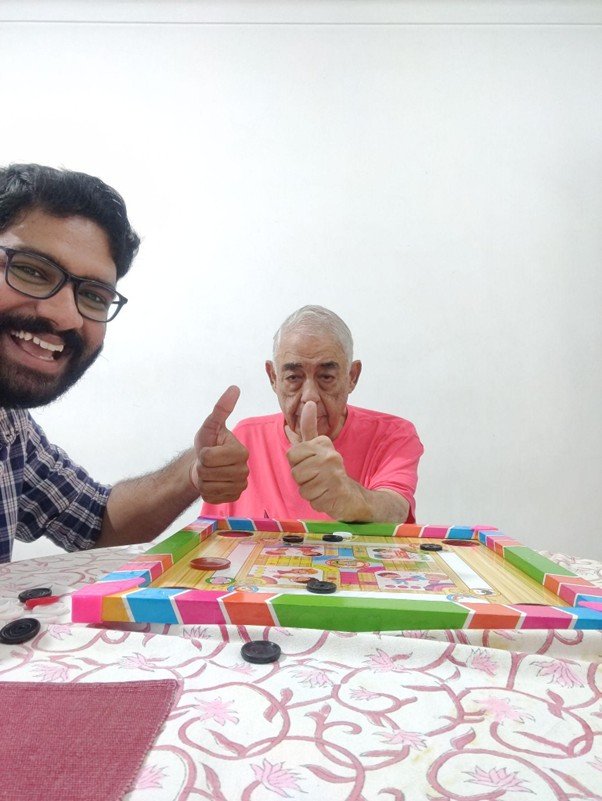
Over the course of the year, Anvayaa supported more than 85,000 active senior citizens on its platform, marking a 12X growth from its subscriber base, driven largely by rising adoption of companionship services, dementia care, emergency assistance and accompanied medical support. Of this growth, approximately 65–70 % was driven by metros and Tier-1 cities, while the remaining adoption came from Tier-2 and Tier-3 geographies, highlighting the expanding relevance of organised eldercare beyond India’s largest urban centres.
The nature of eldercare requests also evolved significantly through the year. While metros such as Delhi, Mumbai, Bengaluru, and Hyderabad continued to see strong demand for companionship and cognitive care, recording utilisation levels of up to 85%, Tier 2 and Tier 3 cities including Vizag, Pune, Indore, Chandigarh, and Coimbatore showed growing preference for structured home nursing and skilled caregiver services. Dementia care emerged as a particularly strong need in urban centres, with metro cities alone accounting for more than two-third of all dementia care enrollments nationwide. During the year, Anvayaa was also granted its second Patent for its “AI Enabled Method For Providing Personalised Cognitive Therapy & Dementia Care.”
Across geographies, families increasingly sought reliable presence for their parents, someone to accompany them to doctor visits, manage recovery at home, or simply spend time with them highlighting a shift in caregiving expectations.
Technology played a critical enabling role in strengthening response and safety during the year. Anvayaa’s patented Remote Patient Monitoring and emergency response system helped achieve an average SOS response time of under three minutes, enabling proactive intervention in over 400 critical incidents triggered by falls, abnormal vitals, or emergency alerts. Through deeper API integrations across ambulance networks, telemedicine providers, hospitals, and healthcare partners, the platform continued to offer families a single coordinated system for managing medical, emergency, and caregiving needs.
Reflecting on the year, Anvayaa’s leadership noted that eldercare in India is entering a more mature phase. Speaking on this, Mr. Prashanth Reddy, Founder & Managing Director, Anvayaa, said,
“What 2025 made very clear is that eldercare is no longer just about emergencies or medical tasks, it is about continuity, accountability, and being present when families cannot be. We saw adult children increasingly outsource presence, not responsibility. Companionship, cognitive engagement, and proactive monitoring became as important as clinical care. Our focus has been to combine technology with empathy so that elders feel supported every single day, not only in moments of crisis.”
The year also marked a significant milestone for Anvayaa as it completed 10 years of organised eldercare operations in Hyderabad, one of its earliest and most important markets. As part of this decade-long journey in the city, Anvayaa strengthened Mission Abhay, a Hyderabad-focused initiative aimed at enhancing senior safety through faster emergency response, coordinated on-ground support, and proactive monitoring, reinforcing the city’s role as a cornerstone in Anvayaa’s care ecosystem.
Having steadily expanded its on-ground care teams, clinical specialists, and concierge support to nearly 200 employees nationwide, Anvayaa continues to maintain one of the lowest attrition rates in the sector, a critical factor in ensuring continuity and trust in eldercare delivery.
As the company looks ahead to 2026, several milestones are expected to further strengthen its ecosystem and industry impact. Leading insurance companies are set to launch products that include eldercare as a value-added service with Anvayaa playing a key role in care delivery. Anvayaa Nishcihnt, the company’s corporate eldercare program, is poised to touch nearly 3 lakh lives, signalling a shift in how organisations approach employee benefits and parental care support. Additionally, Project Ratan, an initiative focused on women and elderly safety, is scheduled to go live in Q2 2026. Through the Anvayaa Foundation, the company will also actively work on skill development and certification programs for caretakers and home healthcare workers, addressing a critical gap in the eldercare ecosystem.
As India’s eldercare landscape evolves, the lessons of 2025 point to a simple truth: ageing with dignity increasingly depends on systems that combine human presence with thoughtful, responsive technology.